

TL;DR:
- Regular pest control using IPM reduces infestations by over 80% and lowers pesticide use.
- Proactive pest management saves money by preventing costly emergencies and lowering insurance premiums.
- Compliance with pest control regulations ensures legal safety and improves tenant satisfaction.
Managing residential and commercial properties in London means keeping a great many details in order, but few carry the consequences of a missed pest issue. A single rodent complaint can trigger tenant complaints, insurance queries, and regulatory scrutiny all at once. IPM reduces infestations by over 80% through prevention, monitoring, proofing, and targeted treatments, while reactive spraying consistently delivers weaker long-term results. This guide sets out the specific, evidence-backed reasons that routine pest control is not an optional extra for London property managers. It is a sound investment in property value, tenant wellbeing, and your professional reputation.
Key Takeaways
| Point | Details |
|---|---|
| Prevention cuts infestations | Regular pest control with IPM prevents over 80% of pest problems before they start. |
| Saves thousands in costs | Routine contracts cost far less than emergency treatments or lost property value from infestations. |
| Ensures compliance | Frequent inspections and proofing help property managers meet London and HACCP regulations with reduced liability. |
| Protects tenant health | Ongoing pest management keeps shared areas cleaner and tenants healthier, boosting satisfaction and retention. |
Prevention is better than cure: Stopping infestations before they start
The most significant advantage of regular pest control is that it interrupts pest cycles before they become visible problems. By the time you can see rodents or cockroaches, an infestation is usually well established and far more costly to address. Frequent professional checks allow early detection of entry points, harbouring sites, and early pest activity that would otherwise go unnoticed for weeks or months.
Integrated Pest Management, widely known as IPM, is the methodology that underpins effective prevention. Rather than simply applying pesticides after a pest has appeared, IPM combines physical proofing, environmental controls, monitoring devices, and precisely targeted treatments. The approach is measurably superior: IPM reduces infestations by over 80% and uses 60 to 70% less pesticide than conventional reactive spraying. That matters for properties where residents, staff, or customers occupy the space daily.
| Approach | Infestation reduction | Pesticide use | Long-term results |
|---|---|---|---|
| IPM (preventive) | Over 80% | 60–70% lower | Consistently strong |
| Reactive spraying | Limited | High | Weaker, short-term |
BPCA-accredited professionals apply scientific site surveys, seal structural vulnerabilities, and use eco-friendly treatments tailored to the specific pest risk at each property. For property managers overseeing multiple buildings, this structured approach across a pest control maintenance plan eliminates the inconsistency of ad hoc call-outs.
Key benefits of regular preventive service include:
- Early identification of rodent runs, insect harbourage, and entry points
- Structural proofing recommendations to remove access routes
- Scheduled monitoring reports that support compliance documentation
- Reduced use of chemical treatments, lowering health and environmental risk
- Consistent results across a portfolio of properties rather than piecemeal responses
Understanding which pests pose the greatest risk to your portfolio is equally important. London’s urban density means that common pests in London including rats, mice, cockroaches, and bed bugs are never far from any property.
Pro Tip: Ask your pest controller for a written site risk assessment at the start of any contract. This document forms the basis of your IPM plan and gives you clear evidence of proactive management should an issue arise.
With the decision to invest in prevention clear, the next step is understanding the economic impact.
Financial advantages: Saving money and avoiding costly emergencies
The financial case for regular pest control is straightforward when you compare routine contract costs against the price of emergency remediation. Monthly contracts costing £150 to £300 prevent remediation bills that typically run from £3,000 to £8,000, along with property value losses that can reach £15,000 depending on the severity and publicity of the infestation.
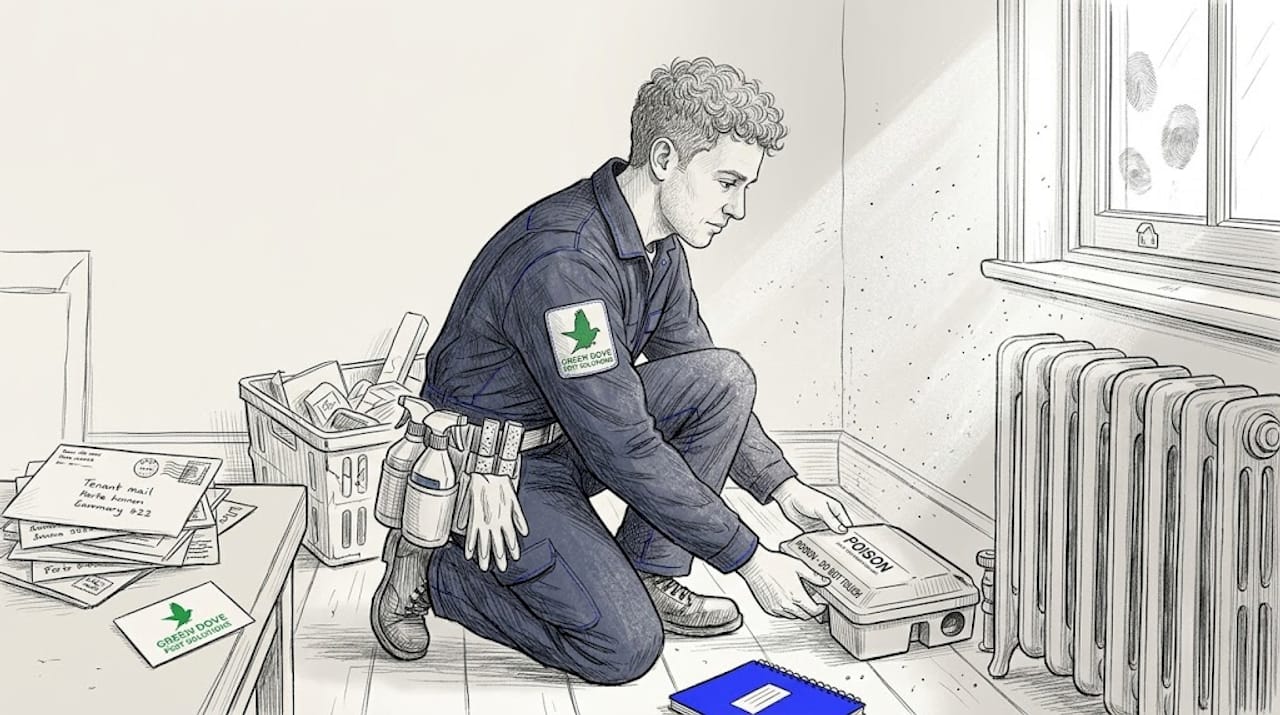
Those figures do not include reputational damage, legal costs, or the management time consumed by a full-blown infestation. For high-traffic premises such as houses in multiple occupation, serviced apartments, or mixed-use commercial buildings, a single uncontrolled rodent incident can result in complaints to environmental health, negative online reviews, and accelerated tenant turnover.
| Scenario | Typical cost |
|---|---|
| Routine monthly contract | £150–£300 per month |
| Emergency rodent remediation | £3,000–£8,000 |
| Property value impact | £1,000–£15,000 |
| Insurance premium saving | 30–50% reduction |
Properties with documented, proactive pest strategies also attract lower insurance premiums. Underwriters assess risk management protocols and proactive pest contracts are viewed favourably, with premiums commonly 30 to 50% lower for properties that maintain formal programmes.
Here is how the financial logic plays out across a typical year:
- A routine contract costs approximately £1,800 to £3,600 annually for a mid-sized residential block.
- One avoided emergency remediation recoups that investment entirely in a single incident.
- Lower insurance premiums deliver further annual savings without any additional effort.
- Stable tenancy rates preserve rental income that would otherwise be lost during vacant remediation periods.
- Compliance documentation from regular inspections avoids potential fines from environmental health authorities.
The return on investment is highest for high-risk and high-traffic premises, but the logic holds across the portfolio. Reviewing your pest control contract options early allows you to match service frequency and coverage to the specific risk profile of each building.
Pro Tip: When comparing contracts, look beyond the headline monthly fee. Confirm whether emergency call-outs, monitoring equipment, and documentation reports are included. A lower quote with hidden call-out charges can cost significantly more over twelve months than a full-service contract.
For offices specifically, understanding how to avoid costly pest infestations through prevention rather than reaction can make a material difference to the facilities budget.
Beyond financials, regular pest management is now a regulatory and legal expectation.
Regulatory compliance and risk reduction for London properties
London property managers operate within a framework of environmental health legislation, housing standards, and, for commercial premises, food safety and HACCP requirements. Regular pest control is not simply good practice. In many settings, it is a legal obligation, and failing to demonstrate active management can lead to enforcement action, fines, or closure.
BPCA-accredited and TrustMark-registered providers meet the verification standards that London’s local authorities and insurance underwriters expect. Working with an accredited contractor means your service records, treatment logs, and inspection reports are produced in formats that satisfy audit requirements.
Standard compliance measures include:
- Quarterly inspections with written reports retained for at least two years
- Physical proofing to seal entry points greater than 6mm, which represents the minimum gap through which a mouse can pass
- Regular drainage inspections to remove harbourage and access routes used by rodents
- Bait station monitoring with tamper-evident records for multi-occupancy buildings
- Staff communication protocols so occupants know how to report sightings promptly
Quarterly inspections and sealing gaps over 6mm are standard compliance benchmarks for London properties. Missing these creates measurable regulatory risk and weakens your position if a tenant or environmental health officer raises a complaint.
Hospitality venues face the strictest requirements of all. HACCP regulations for food businesses require documented pest management as part of the food safety management system. A single failed environmental health inspection can result in a temporary or permanent closure order.
“Properties with documented proactive pest management programmes consistently achieve better audit outcomes, fewer enforcement notices, and lower insurance claim frequencies than those relying on reactive treatments alone.”
The building maintenance guide for London properties sets out the structural checks and maintenance routines that support robust pest prevention as part of a wider facilities management approach. For food businesses, the dedicated resource on pest prevention in restaurants provides sector-specific guidance on meeting HACCP obligations.
Beyond compliance, pest control directly shapes tenant and occupant satisfaction.
Healthier environments and higher tenant satisfaction
Pests are more than a nuisance. Rodents carry Leptospirosis and Salmonella. Cockroaches trigger asthma and allergies. Bed bugs cause significant psychological distress and lost sleep. Regular pest control addresses these health risks before they affect the people living and working in your properties.
Fast, consistent intervention keeps communal areas odour-free and visibly clean. This matters enormously in buildings where shared corridors, bin stores, and utility rooms are the first impression tenants and visitors receive. A property that smells clean and shows no signs of pest activity is one that tenants want to stay in and recommend.
The practical benefits for tenant satisfaction and retention include:
- Fewer formal complaints to management or local authority housing departments
- Reduced tenancy terminations linked to pest-related dissatisfaction
- Positive word-of-mouth referrals from satisfied long-term tenants
- Stronger online reviews on letting platforms, which directly influence occupancy rates
- Demonstrably safer environments for vulnerable residents, including families with young children and elderly occupants
Early detection cuts remediation costs by 80% and is equally effective at reducing tenant churn. When residents see that management responds quickly and has a formal prevention programme in place, their confidence in the property increases. That confidence translates directly into longer tenancies and fewer void periods.
Insurance underwriters also assess occupant satisfaction data and complaint histories when setting premiums. Proactive pest protocols contribute to a stronger risk profile across the board.
Pro Tip: Share brief quarterly update notices with tenants summarising the pest management schedule. Transparency about the programme builds trust and encourages residents to report early sightings rather than waiting until a problem is severe.
For residential portfolios specifically, the residential pest management guide offers detailed advice on prevention at the building and unit level. Homeowners and tenants can also access practical guidance through the pest control for homeowners resource.
Having covered the proven practical benefits, let’s revisit the expert consensus and why some managers still hesitate.
What most property managers get wrong about pest control in London
The most persistent mistake we see is treating pest control as a one-time fix. A call-out to deal with a rat sighting, followed by months of inaction, is not a pest management strategy. It is a holding pattern that allows the next infestation to develop unseen.
Old “treat and forget” methods are increasingly obsolete in London’s urban environment, where pest pressure from construction activity, dense housing, and commercial waste is constant and rising. The IPM methodology outperforms reactive approaches because it targets the conditions that allow pests to establish, not just the pests themselves. It also reduces pesticide resistance, which is a growing concern with certain cockroach and rodent populations in Central and East London.
BPCA membership and TrustMark registration are now expected by insurers and regulators, not simply recommended. Properties managed without verified contractor credentials face an increasingly difficult position when incidents occur and audit trails are examined. Integrating monitoring technology, proofing schedules, and documented treatment records into your property management pest control approach is not an upgrade. It is now the baseline expectation.
Take the next step towards hassle-free property management
If you manage residential or commercial properties across London and want to eliminate the uncertainty of reactive pest control, BioWise is ready to help you build a structured, preventive programme tailored to your portfolio.
We have been serving London property managers since 2010 and currently support over 600 clients across homes, flats, offices, hotels, and hospitality venues. Our fully qualified, BPCA-accredited pest controllers deliver domestic pest control services and bespoke business pest control contracts with eco-friendly options and full compliance documentation. Contact us today for a free consultation and a quote matched to your specific property risk profile.
Frequently asked questions
How often should pest control be done in London properties?
Most London properties benefit from quarterly inspections to maintain compliance and prevention standards. High-risk sites such as HMOs, food businesses, and hospitality venues typically require monthly inspections to meet regulatory obligations and prevent outbreaks.
What types of pests are most common in London apartment blocks?
Rodents, cockroaches, bed bugs, and cluster flies account for the majority of issues in London residential blocks. Regular IPM-based inspection and structural proofing are the most effective tools for preventing outbreaks in multi-occupancy buildings.
Does regular pest control really lower insurance costs?
Yes. Preventative pest control contracts can reduce commercial property insurance premiums by 30 to 50% by demonstrating active, documented risk management to underwriters.
What is Integrated Pest Management (IPM) and why is it preferred?
IPM combines prevention, monitoring, physical proofing, and precisely targeted eco-friendly treatments to break pest cycles at source. It consistently outperforms reactive methods by reducing both infestation frequency and pesticide use over the long term.