
Rodents scamper behind your walls, insects nibble treasured fabrics, and mysterious bite marks spark sleepless nights in homes across London. These invaders do more than unsettle—they put your family’s health and property at real risk. Protecting your home means more than just reaching for a chemical spray. With growing awareness of eco-friendly approaches, understanding Integrated Pest Management (IPM) lets you tackle pests safely, minimise exposure, and preserve what matters most.
| Point | Details |
|---|---|
| Pest Identification is Crucial | Correct identification of pests is the first step in effective pest control and prevents wasted resources on ineffective treatments. |
| Integrated Pest Management (IPM) is Essential | Utilising a combination of methods for pest control enhances effectiveness while minimising harm to the environment and non-target species. |
| Legal Responsibilities Exist | Homeowners must comply with pest control laws, including controlling rat and mouse populations on their property. |
| Sustainable Methods Improve Outcomes | Adopting eco-friendly pest control strategies not only reduces health risks but can be more cost-effective in the long run. |
Pest control is the practical management of unwanted creatures that damage your property, threaten your health, or simply make your home unpleasant. For London homeowners, this means dealing with rodents, insects, mites, and other organisms that find their way indoors. The goal is straightforward: identify what’s invading your space and remove it safely.
Understanding what pest control actually involves goes beyond calling someone to spray chemicals. It’s about identifying the pest correctly, understanding why it’s there, and choosing the right removal method. Pest management terminology varies across the industry, but the core principle remains consistent: effective control starts with knowing your enemy.
London’s homes face specific pest pressures. Rats and mice exploit the city’s Victorian drainage systems and period properties. Cockroaches thrive in older buildings with gaps between pipes and floorboards. Bed bugs travel in suitcases and second-hand furniture. Each pest requires a different approach.
Integrated Pest Management (IPM) is the modern framework guiding professional pest control. Rather than relying on chemicals alone, IPM combines multiple strategies:
This approach minimises harm to your family and pets whilst maximising effectiveness. Understanding pest biology and life cycles is critical, because controlling a rat requires different tactics than controlling cockroaches or bed bugs.
Effective pest control for your home involves three key steps. First, correctly identify the pest species—misidentification leads to wasted time and money. Second, understand the pest’s behaviour and vulnerabilities in your specific property. Third, select control tactics based on your home’s layout, your family’s needs, and environmental safety.
Real pest control isn’t about spraying everything; it’s about strategic, informed decisions that remove the problem without creating new ones.
Your London property likely has specific vulnerabilities. Period homes have gaps around pipes and under skirting boards. Modern flats have shared ventilation systems. Terraced houses connect to neighbouring properties. Professional pest controllers understand these structural differences and adapt their approach accordingly.
Pro tip: Before contacting a pest control company, note when you’ve seen the pest, where you’ve spotted it, and how many times—this information helps technicians identify the species and severity correctly.
London homes attract a surprisingly diverse range of pests. Each one arrives for different reasons and causes distinct problems. Knowing what you’re dealing with is the first step toward effective removal.
Rodents are the most common complaint among London homeowners. Rats and mice enter through gaps around pipes, under doors, and via shared drainage systems in Victorian properties. They contaminate food, damage wiring, and leave droppings that pose serious health risks. Once inside, they breed rapidly—a single pair can produce dozens of offspring within months.
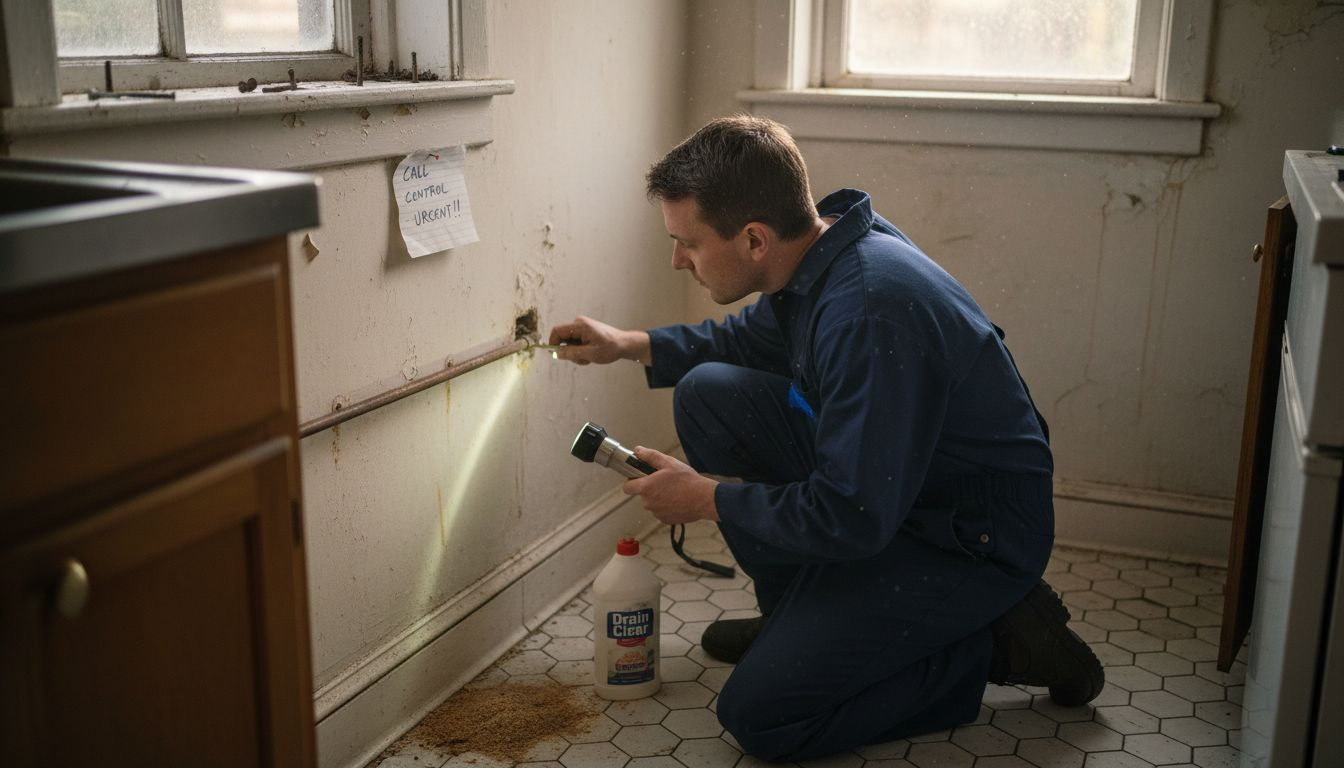
Insects cause damage in different ways depending on the species. Common household insect pests include carpet beetles that destroy fabrics, clothes moths that attack wool garments, and furniture beetles that tunnel through wooden floorboards. Cockroaches thrive in warm, damp areas like kitchens and bathrooms, spreading bacteria wherever they roam.
Bed bugs represent a growing problem across London. They hide in mattresses, furniture, and clothing, emerging at night to feed on blood. Unlike other household pests, bed bugs don’t indicate poor hygiene—they travel in luggage and second-hand items. Infestations spread quickly and require professional treatment.
Storage pests damage your food and pantry items. Bread beetles, Indian meal moths, and weevils infest dry goods like flour, cereals, and rice. Once established in your cupboards, they multiply rapidly and contaminate everything.
The following table summarises the main household pests in London and their unique challenges:
| Pest Type | Common Entry Route | Main Damage Caused | Removal Difficulty |
|---|---|---|---|
| Rats & Mice | Drains, gaps, floorboards | Wiring, structure, food | High (persistent invaders) |
| Cockroaches | Pipe gaps, second-hand | Spread bacteria in kitchens | Moderate (resilient pests) |
| Bed Bugs | Suitcases, furniture | Night bites, infestations | Very high (specialist needed) |
| Moth/Beetles | Windows, clothing | Fabrics, carpets, wood | Medium (multi-step process) |
| Storage Pests | Groceries, packaging | Food contamination | Moderate (cleaning needed) |
Here’s what to watch for in your London home:
Different pests require completely different control strategies—what works for mice won’t work for bed bugs, and insecticides alone won’t solve a structural rodent problem.
Your property’s age and condition determine which pests are most likely. Period properties with original pipework and timber attract furniture beetles and rodents. Modern flats with central heating suit cockroaches and bed bugs. Ground-floor properties face higher rodent pressure than upper floors.
Identifying the exact pest species matters enormously. Misidentification wastes money and time on ineffective treatments. Professional pest controllers examine droppings, damage patterns, and sometimes set monitoring traps to confirm the species before recommending control methods.
Pro tip: Take photographs of any pests you spot, note their location, size, and colour—this information helps pest controllers identify the species and assess severity before visiting your home.
Pests aren’t just annoying—they pose genuine threats to your family’s health and your home’s structural integrity. The risks are real, measurable, and often underestimated until an infestation takes hold.
Health risks from pests extend far beyond visible bites. Rodents, insects, and other pests transmit diseases, trigger allergic reactions, and contaminate food and living spaces. Rats carry leptospirosis through their urine, contaminating surfaces and water sources. Cockroaches spread bacteria like salmonella and E. coli across your kitchen. Bed bugs don’t transmit disease, but their bites cause intense itching, sleep disruption, and secondary infections from scratching.
Asthma and allergies worsen around pest infestations. Cockroach droppings and shed skin contain allergens that become airborne in your home. Children with asthma face particular risk—studies show cockroach-infested homes correlate with increased asthma attacks and hospital admissions.
The contamination spreads quietly. A single rat produces 40 droppings daily. These droppings remain infectious for months, and sweeping them dry releases harmful particles into the air. Food stored in infested cupboards becomes contaminated before you realise the problem exists.
Property damage accumulates quickly. Rodents chew through electrical wiring, creating fire hazards. Rats gnaw wooden joists and floorboards, compromising structural integrity. Furniture beetles tunnel through timber frames silently for years before serious damage appears. Damp from water-damaged areas attracts more pests, creating a vicious cycle.
Cost escalates rapidly once damage occurs. Rewiring a badly chewed electrical system costs thousands. Replacing damaged floorboards or joists requires professional builders. Prevention through early pest control costs a fraction of structural repairs.
Here’s what pests damage in London homes:
Pests multiply exponentially—ignoring early signs means dealing with an infestation within weeks, not months.
Your property’s condition determines vulnerability. Damp properties attract more pests. Poor ventilation creates ideal cockroach environments. Unsealed gaps around pipes invite rodents. Once established, pests exploit these weaknesses repeatedly, returning even after treatment if the underlying problems remain unaddressed.
Pest-related health problems compound in households with vulnerable people. Elderly residents, young children, and those with existing respiratory conditions face heightened risk from pest-borne illnesses and allergens.
Pro tip: Document any health issues coinciding with pest activity—unexplained asthma flare-ups, allergic reactions, or persistent itching—and mention these to your pest controller, as they indicate the pest type and infestation severity.
You might think pest control is simply a personal choice, but UK law actually imposes specific legal duties on homeowners. Understanding these obligations protects you from enforcement action and ensures you’re handling infestations correctly.
The Prevention of Damage by Pests Act 1949 creates a legal framework that still governs pest control today. Landowners and occupiers must control rats and mice on their property using appropriate methods. This isn’t optional—it’s a statutory duty. Local authorities can take enforcement action against property owners who fail to control infestations, potentially leading to penalties and forced compliance orders.
Your local council has matching responsibilities. They must keep their districts free from rats and mice. If your property becomes a source of infestation affecting neighbours, the council can legally require you to take pest control action. Failure to comply can result in court orders and fines.
Certain control methods are illegal without proper licensing. Self-locking snares, glue traps, and some poisons require specific authorisation. Using prohibited methods exposes you to criminal liability, regardless of effectiveness. Permissible pest control methods must avoid unnecessary harm to wildlife and protect non-target animals.
You have obligations around protected species. If your property houses bats, certain birds, or other protected wildlife, pest control becomes more complicated. You may need a wildlife licence before proceeding. Professional pest controllers understand these restrictions and can advise on legal approaches.
Notifying your local authority matters. If you discover a significant infestation, you should contact your local council’s environmental health or pest control service. They maintain records and can coordinate action if neighbouring properties are affected.
Your responsibilities include:
Ignoring pest infestations isn’t just unhygienic—it’s breaking the law and potentially exposing your neighbours to health risks.
Rented properties add complexity. Tenants must report infestations to landlords immediately. Landlords bear primary responsibility for pest control and must provide habitable premises free from pests. Disputes over pest control often arise from unclear responsibility—your tenancy agreement should specify who arranges and pays for treatment.
Professional pest controllers navigate these legal requirements routinely. They know which methods comply with current legislation and which require additional licensing or safeguards.
Pro tip: If you discover a pest infestation, photograph the evidence and contact your local council’s environmental health department before arranging private pest control—this creates an official record that protects you legally and ensures coordinated action if neighbouring properties are affected.
Modern pest control isn’t limited to chemical sprays anymore. London homeowners increasingly prefer eco-friendly methods that eliminate pests whilst protecting their families, pets, and the environment. Sustainable approaches work effectively and often cost less long-term.
Prevention remains the most sustainable strategy. Sealing gaps around pipes, removing food sources, and improving ventilation prevents infestations before they start. This approach costs nothing compared to treating established populations. Once prevention fails, targeted treatments become necessary.
Biological control uses natural predators and parasites to manage pest populations. Introducing beneficial insects or encouraging existing wildlife to colonise your property creates a self-regulating system. For example, certain wasps parasitise cockroach eggs, reducing populations without chemicals. Birds and hedgehogs control slugs, insects, and small rodents naturally.
Pheromone-based controls exploit pest behaviour without toxins. Pheromone traps and baits disrupt mating by mimicking insect communication signals, preventing reproduction. These systems work specifically on target pests, leaving beneficial insects unharmed. They’re particularly effective for monitoring infestations and controlling smaller populations before they escalate.
Biopesticides offer another sustainable option. Derived from natural sources like plants and microorganisms, they’re less toxic than synthetic chemicals. Neem oil, derived from tree seeds, disrupts insect feeding and reproduction. Bacillus thuringiensis targets specific insect larvae without affecting mammals or birds.
Heat treatment eliminates bed bugs without chemicals. Professional technicians raise your home’s temperature to lethal levels for pests while remaining safe for humans and pets. This method works thoroughly, reaching hidden spaces where insects hide. It’s increasingly popular in London for tackling resistant bed bug populations.
Sustainable pest management combines multiple methods:
Here is a comparison of pest control methods commonly used in London homes:
| Control Method | Typical Use Case | Environmental Impact | Speed of Result |
|---|---|---|---|
| Chemical Sprays | Severe insect infestations | High, may harm non-target species | Rapid (hours to days) |
| Biological Control | Cockroaches, garden pests | Low, eco-friendly | Slow (weeks) |
| Pheromone Traps | Moths, beetles | Minimal, species-specific | Gradual (weeks) |
| Heat Treatment | Bed bugs, resistant infestations | None, residue-free | Fast (same day) |
| Physical Exclusion (sealing) | All pest types | None, preventative | Prevents entry |
The most sustainable pest control strategy is preventing infestations entirely through maintenance and early detection.
Eco-conscious pest control costs more upfront but reduces health risks and environmental damage. Chemical treatments can leave residues affecting sensitive household members. Sustainable approaches work with your home’s ecosystem rather than against it.
Professional pest controllers trained in sustainable methods understand London’s specific pest pressures and which approaches work best for your property type. They combine techniques strategically, using the least invasive options first and escalating only when necessary.
Pro tip: Request eco-friendly treatment options when contacting pest controllers—specify any family allergies, pet sensitivities, or environmental concerns so they design a sustainable control plan matching your household’s needs.
Living in London means facing unique pest challenges that threaten your health and property. From persistent rodents in Victorian homes to resilient bed bugs in modern flats, tackling these problems requires tailored, informed pest control strategies like Integrated Pest Management discussed above. If you are concerned about losses from contaminated food, property damage or health risks from allergens and disease, acting quickly with a trusted specialist is essential.
BioWise Services offers dedicated pest management solutions designed specifically for London homeowners. Since 2010, our family-run company has served over 600 satisfied clients by combining eco-conscious methods with effective, legal treatments. Whether you need emergency pest removal, monthly maintenance contracts or a customised prevention plan, we adapt to your property’s age and vulnerabilities. Learn more about our approach on our main website and explore how our residential pest control services protect your home year-round.
Don’t let pests harm your family or property further. Reach out today to schedule a professional inspection and benefit from London’s leading experts committed to sustainable, reliable pest management. Visit BioWise Services now to book a consultation and take the first step towards a pest-free home.
London homes commonly deal with rodents such as rats and mice, insects like cockroaches and furniture beetles, bed bugs, and storage pests like weevils and moths. Each type of pest arrives for different reasons and requires specific control methods.
Signs of a pest infestation include droppings, unexplained holes in fabrics, dead insects in corners, musty odours, and sightings of moving insects, especially in bedding or furniture seams. Early identification is key to effective control.
Pests pose several health risks, including disease transmission through contamination of food and surfaces. Rodents can spread leptospirosis, while cockroaches may carry bacteria like salmonella. Additionally, infestations can worsen asthma and allergic reactions, especially in vulnerable individuals.
Integrated Pest Management (IPM) is a sustainable approach to pest control that includes monitoring for early detection, prevention strategies like sealing entry points and removing food sources, targeted treatments only when necessary, and regular inspections to address any returning infestations.