

TL;DR:
- Most recurring pest problems in London buildings stem from unaddressed entry points, harbourage, and poor maintenance. Implementing proactive, tailored IPM strategies and ongoing monitoring significantly reduces long-term infestations and costs. Professional assessment and customized prevention plans are essential to adapt to London’s unique urban pest pressures effectively.
Repeated pest outbreaks are one of the most frustrating challenges facing London property owners and managers. You arrange a treatment, the problem appears resolved, and then weeks later the signs return. The reality is that most treatments address visible activity without tackling what allowed pests in the first place. This guide takes you through the full process: understanding why pests persist, assessing your building’s vulnerabilities, applying proven prevention measures, and establishing a monitoring routine that keeps your property protected well into the future.
Key Takeaways
| Point | Details |
|---|---|
| Prevention beats reaction | Focusing on preventive maintenance addresses pest risks long before infestations occur. |
| Identify and fix vulnerabilities | Regular, methodical inspections catch entry points and issues early, keeping properties protected. |
| Routine monitoring is essential | Continuous checks and records ensure small problems don’t turn into major pest outbreaks. |
| Tailored strategies work best | Solutions adapted to each property and London’s unique challenges are far more successful than quick fixes. |
Why pests persist: the true cost of reactive vs preventive control
Many property owners treat pest control as a response rather than a routine. An infestation appears, a contractor is called, and once the visible problem is resolved, attention moves elsewhere. This reactive approach is understandable, but it consistently falls short.
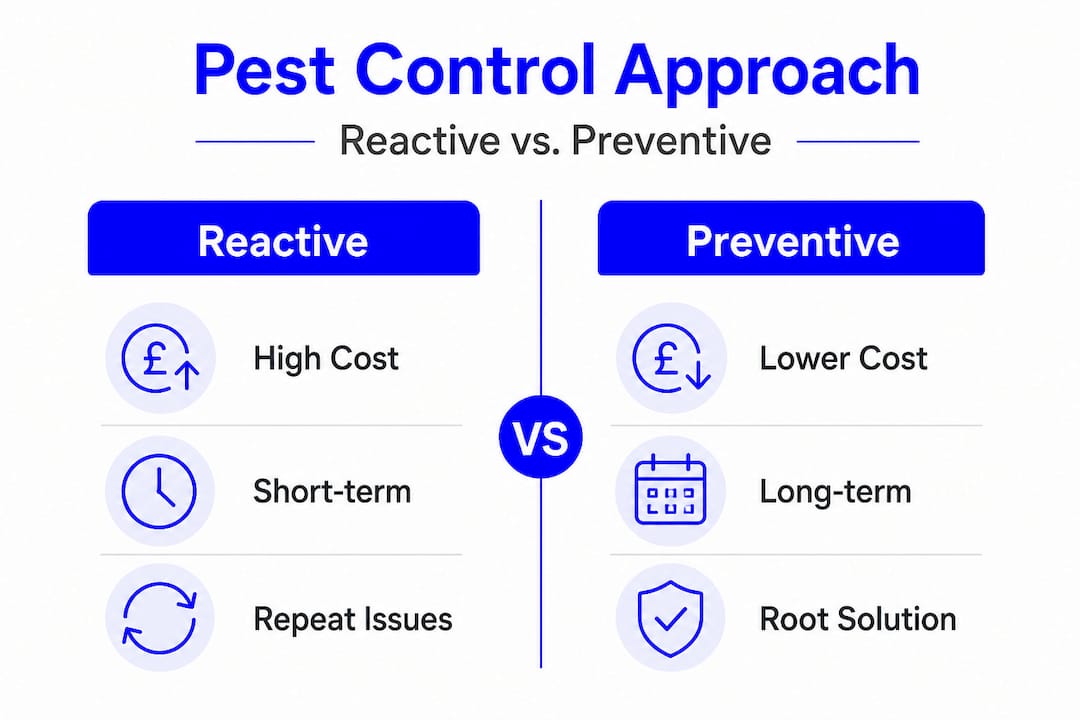
Reactive treatment means responding to an existing infestation with products or physical removal. It deals with the symptom. Preventive Integrated Pest Management (IPM) is a structured programme that combines inspection, physical proofing, hygiene management, and targeted treatments only when necessary. IPM addresses the root causes that allow pests to enter, nest, and breed. As failure rates of reactive treatments confirm, reactive approaches consistently underperform because they leave entry points, food sources, and harbourage sites untouched.
The core causes of recurring infestations are well understood across the industry:
- Structural gaps: cracks in brickwork, gaps around pipes, unsealed vents, and damaged door seals all provide reliable access routes
- Poor waste management: overflowing bins, poorly secured refuse areas, and food debris accumulating in communal spaces attract rodents and cockroaches
- Absence of routine checks: without scheduled inspections, early signs of activity go unnoticed until the problem is established
- Harbourage sites: clutter, unused storage areas, and damp zones give pests safe nesting conditions
| Approach | Cost over time | Typical outcome | Addresses root cause |
|---|---|---|---|
| Reactive treatment only | High (repeated call-outs) | Short-term resolution | No |
| Preventive IPM programme | Lower long-term | Sustained protection | Yes |
| No action | Very high (damage, fines) | Escalating infestation | No |
For practical guidance on protecting residential buildings, the residential pest control tips available on the BioWise website offer a useful starting point alongside this article.
The financial case for shifting from reactive to preventive is clear. Repeated emergency call-outs, property damage, stock loss for commercial operators, and the reputational impact of pest sightings all carry significant costs. A well-structured IPM programme reduces overall expenditure while delivering more consistent results.
Essential preparation: assessing your property’s risk areas
Understanding why pests keep coming back sets the stage for learning how to proactively spot vulnerabilities before problems escalate. The first step in any effective pest prevention plan is a thorough property assessment.
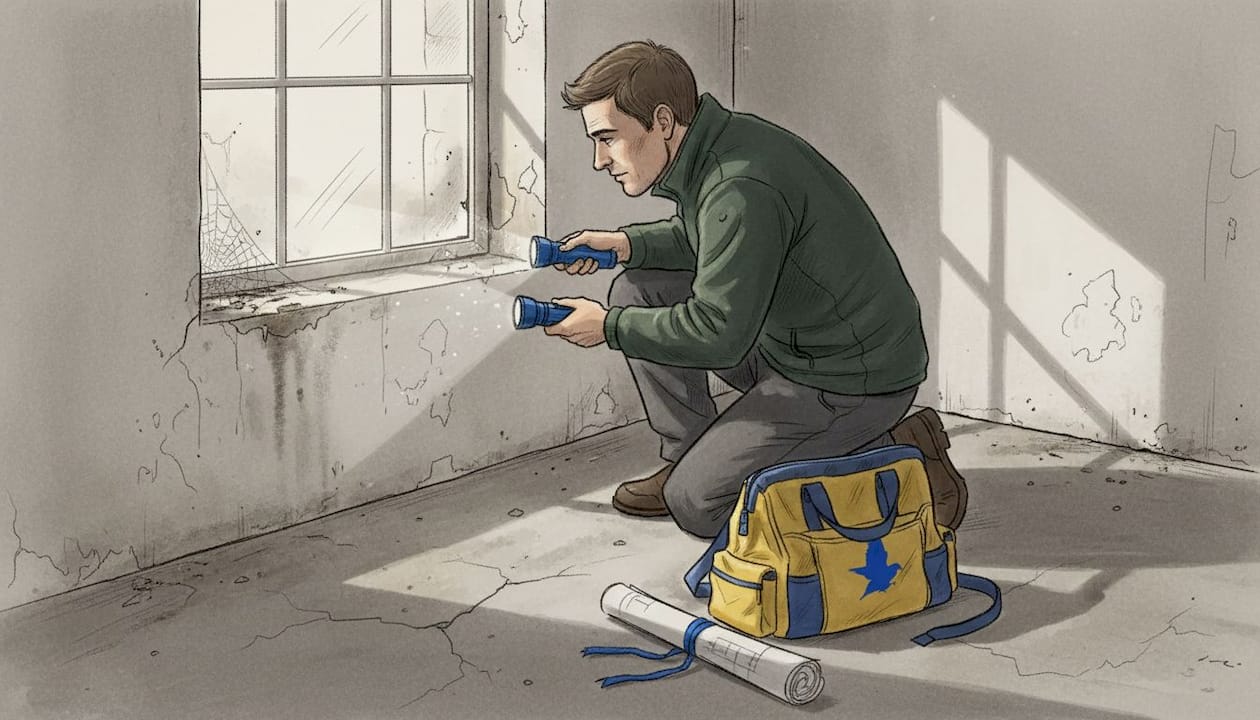
Many building managers skip this stage, assuming they will notice obvious signs of pest activity. The problem is that pests are rarely obvious until the infestation is already established. A structured inspection changes that dynamic entirely.
Common entry points to examine:
- Exterior doors: check seals, thresholds, and any gaps beneath frames
- Windows: inspect frames for gaps, broken seals, and damaged screens or mesh
- Vents and air bricks: confirm all external vents have intact, pest-resistant covers
- Pipe penetrations: examine where water, gas, and electrical conduits pass through walls
- Roof lines and fascia boards: look for damage or gaps that allow roof-dwelling pests access
- Basement and cellar walls: check for cracks, damp ingress, and drainage access points
The failure rates of reactive treatments vs preventive programmes consistently point to unaddressed entry points as a primary reason infestations return. Closing these vulnerabilities must come before any treatment.
| Risk area | Key indicators | Priority level |
|---|---|---|
| Kitchen and food prep areas | Droppings, grease marks, odour | High |
| Basement and plant rooms | Damp, gnaw marks, nesting material | High |
| Refuse and bin stores | Spilled food waste, gnaw marks | High |
| Roof spaces | Droppings, feathers, noise | Medium |
| External perimeter | Burrows, entry holes in brickwork | Medium |
| Communal corridors | Grease trails, droppings | Medium |
Tools useful for a thorough inspection:
- Torch with strong beam for dark cavities
- Mirror for examining behind units and beneath pipe runs
- Camera or smartphone for documenting findings
- Notepad or property inspection checklist
- Sealant and wire wool for immediate minor repairs during the survey
For a structured approach covering both pest prevention and building fabric, the building pest maintenance guide is worth consulting alongside your own assessment.
Pro Tip: Involve your tenants, caretaking staff, or cleaning team in routine checks. They are often the first to notice early signs of activity, such as an unusual smell in a storeroom or droppings near a bin area. A brief monthly walkthrough by trained staff can catch emerging problems before they require professional treatment.
Executing effective pest prevention: practical steps every owner should take
Armed with your property risk assessment, you’re ready to put proven prevention strategies into action. This is where the real difference is made between buildings that suffer repeated infestations and those that maintain long-term protection.
Physical maintenance actions:
- Seal all gaps wider than 6mm in external walls using appropriate mortar, expanding foam, or wire wool backed sealant
- Fit brush strips or rubber seals to the base of external doors, particularly in basement access points and refuse areas
- Install pest-resistant covers on all external vents and check them quarterly
- Repair any broken drainage covers or drain pipes promptly
- Eliminate standing water around the building, including blocked gutters, leaking pipes, and poor drainage around bin stores
- Declutter storage areas and ensure items are stored off the floor to remove harbourage opportunities
Daily and weekly hygiene protocols:
- Clear all food debris from communal kitchens, canteens, and shared preparation areas at the close of each day
- Ensure waste bags are secured and placed in sealed bins, not left on the floor of refuse areas
- Clean beneath and behind fixed catering equipment at least weekly
- Inspect incoming stock deliveries for signs of pest activity before items enter storage areas
Integrating eco-friendly pest control methods alongside physical proofing is both effective and responsible. Pheromone traps, biological deterrents, and non-toxic monitoring stations can all form part of a sustainable prevention approach that reduces reliance on chemical treatments.
For commercial buildings, decisions around pest proofing for businesses often involve weighing structural investment against treatment costs. In almost every case, proofing delivers better long-term value. Staff and tenant education is equally important: clear signage around food storage, bin use, and reporting procedures ensures that everyone contributes to the prevention effort.
Maintaining a workplace pest prevention standard requires management commitment, not just occasional contractor visits. Setting written standards, training responsible staff members, and including pest prevention in induction programmes all raise the baseline.
“Thorough pest prevention is not achieved by any single action. It requires consistent attention to physical fabric, hygiene practices, and monitoring working together. Cutting corners in any area creates an opportunity that pests will reliably exploit.”
Pro Tip: Schedule a professional assessment at least once per year, even if no activity has been observed. An experienced pest controller will identify vulnerabilities that are easy to miss during routine walkthroughs, particularly in complex commercial buildings with multiple tenants or high footfall.
Ongoing monitoring and troubleshooting: ensuring lasting results
Having carried out concrete pest prevention actions, it’s vital to check if your efforts are delivering long-term protection and to act quickly when issues arise. Prevention without monitoring is incomplete.
Setting up a simple monitoring routine:
- Place non-toxic monitoring stations at key risk areas: near external doors, in plant rooms, around bin stores, and beneath kitchen units
- Check stations every two to four weeks and record any activity
- Walk the perimeter of the building monthly, looking for new burrow activity, entry point damage, or signs of gnawing
- Include pest status in regular building management reports
Early warning signs of an emerging pest problem include:
- Fresh droppings in areas that were previously clear
- Gnaw marks on cables, packaging, or structural materials
- Greasy smear marks along skirting boards or pipe runs (a strong indicator of rodent activity)
- Musty or ammonia-like odours in confined spaces
- Unusual noises within wall cavities, ceiling voids, or beneath floors, particularly at night
- Damaged food packaging in storage areas
Common mistakes that undermine prevention efforts:
- Skipping monitoring visits when no obvious signs are present
- Relying on DIY sprays or over-the-counter traps as a substitute for professional assessment
- Failing to record and date observations, which makes identifying patterns much harder
- Assuming that a single professional treatment has resolved the root cause
As reactive treatment failure rates demonstrate, skipping follow-up monitoring is one of the fastest ways to return to repeated infestations. The monitoring routine is not optional; it is the mechanism by which your prevention work is verified and adjusted over time.
The property management pest guide on the BioWise website provides additional frameworks for multi-unit buildings and commercial sites where monitoring complexity increases significantly.
Pro Tip: Keep a simple pest log for your building. Record the date, location, type of sign observed, and any action taken. This log is invaluable when working with a professional pest controller, as it allows them to identify patterns, pinpoint hotspots, and design targeted interventions rather than applying generic treatments across the whole building.
Why most pest prevention advice fails London’s property owners
Generic pest prevention articles often read as though all buildings face the same pressures. In London, they don’t. The city’s density, ageing building stock, and the sheer volume of food outlets, market areas, and waste infrastructure create pest pressures that are genuinely distinct from those in smaller towns or rural settings.
We’ve worked with London buildings since 2010, and the pattern we see repeatedly is that property owners follow reasonable generic advice, apply it conscientiously, and still experience recurring problems. The reason is almost always that the advice wasn’t designed for their specific building type, construction era, or surrounding environment.
A Victorian terrace in Hackney has very different vulnerabilities from a converted office block in the City. A restaurant below a block of flats in Brixton faces different pressure points than a hotel near a major rail terminus. Applying the same checklist to both buildings and expecting equivalent results is unrealistic.
What actually works in London is a persistent, tailored mindset. This means accepting that monitoring is never-ending, that structural conditions change over time and require reassessment, and that the surrounding environment, including neighbouring properties and street-level waste patterns, directly affects your building’s pest risk. The cost of neglecting pest services is a reality we see confirmed repeatedly, particularly in commercial settings where a single environmental health visit following a complaint can carry severe consequences.
DIY strategies are rarely sufficient on their own in this environment. Not because property managers lack diligence, but because pest activity in urban London is continuous and adaptive. Rats and cockroaches in particular are highly resilient, and populations that survive treatment quickly adapt to familiar deterrents. Expert-led plans, updated regularly based on monitoring data, consistently outperform fixed self-managed routines.
Get professional support for a pest-free London building
Practical prevention steps matter enormously and they form the foundation of any lasting pest management strategy. But in a city as demanding as London, expert support often separates buildings that manage pest pressure effectively from those that remain trapped in cycles of repeat treatments.
At BioWise Pest Control Services, our fully qualified pest controllers have been protecting London buildings since 2010, working with over 600 clients across residential, commercial, and mixed-use properties. Whether you need a one-off professional assessment, an ongoing monthly maintenance contract, or an emergency treatment, we tailor our approach to your building’s specific layout, use, and risk profile. Our domestic pest control in London services cover all common household pests, while our commercial pest solutions are designed for restaurants, offices, hotels, and multi-unit sites. For a joined-up approach to both pest prevention and property upkeep, explore our maintenance and pest prevention service packages and get in touch for a no-obligation quote today.
Frequently asked questions
What is the most effective long-term pest control method for London buildings?
A preventive Integrated Pest Management strategy is proven most effective because it tackles root causes such as entry points and maintenance habits rather than just immediate infestations, as confirmed by comparative treatment outcomes across residential and commercial sites.
How often should a property be inspected for pest risks?
Buildings should be assessed for pest risks at minimum quarterly, but higher-risk sites such as food businesses, hotels, or buildings with a known history of activity benefit from monthly professional inspections.
Can eco-friendly solutions replace chemical pest controls completely?
Eco-friendly solutions work very effectively as part of a preventive IPM plan, but some established infestations, particularly rodent or cockroach problems in heavily contaminated sites, may still require targeted chemical treatments for full resolution.
What are early warning signs of a pest problem?
Key signs include fresh droppings, gnaw marks on cables or packaging, greasy smear marks along skirting boards, musty or ammonia-like odours in confined areas, and unusual sounds within wall cavities or ceiling voids.
Why do pests keep coming back after treatment?
If the underlying causes such as building gaps, poor hygiene, or accessible harbourage sites are not addressed, infestations reliably return regardless of how many treatments are applied, as root-cause failure data consistently shows.