

Effective pest control in London hospitality venues requires balancing rigorous health compliance with minimal operational disruption. Restaurant and hotel managers face unique urban pest pressures, from cockroaches in commercial kitchens to rodent activity near waste areas. Selecting the right pest control approach demands understanding of integrated methods, preventive hygiene, and professional service options. This guide delivers practical tips and decision criteria to protect your business reputation whilst maintaining the highest standards of guest safety and regulatory compliance.
Table of Contents
- How To Choose The Right Pest Control Approach For Your Hospitality Business
- Common Pest Problems In London Hospitality
- Effective Pest Control Methods For Restaurants And Hotels
- Preventive Hygiene Practices To Minimise Pest Risks
- Pest Control Service Contracts And Provider Selection
- Summary Comparison And Situational Recommendations
- Protect Your Hospitality Business With Expert Pest Control Services
- Best Pest Control Tips Faq
Key takeaways
| Point | Details |
|---|---|
| Integrated approaches work best | Combining hygiene, monitoring, exclusion, and treatment delivers sustainable pest control in hospitality settings. |
| Common London pests | Cockroaches and rodents account for the majority of complaints in restaurants and hotels across the capital. |
| Professional services ensure compliance | Licensed pest control providers guarantee adherence to UK food safety regulations and deliver tailored treatment plans. |
| Preventive hygiene reduces risks | Proper sanitation and waste management can cut pest attraction by half, forming your first line of defence. |
| Service contracts offer ongoing protection | Monthly maintenance plans provide proactive monitoring and treatments, reducing health violations significantly. |
How to choose the right pest control approach for your hospitality business
Selecting pest control services requires evaluating multiple factors unique to your London venue. Pest type, current hygiene standards, compliance requirements, treatment impact on operations, and budget all influence your decision. A comprehensive strategy combines prevention with targeted treatments for sustainable results.
Integrated Pest Management represents the gold standard for hospitality venues. This approach layers sanitation protocols, structural exclusion, monitoring systems, and strategic treatments to address root causes rather than symptoms alone. Professional licensed pest control ensures regulatory compliance and delivers measurable effectiveness.
Consider these essential criteria when choosing your approach:
- Pest species present and their behaviour patterns in your specific venue type
- Impact on guest experience and operational schedules during treatment
- Eco-friendly options that align with sustainability commitments
- Frequency of monitoring and treatment required for sustained control
- Provider licensing, insurance, and experience with hospitality clients
Scheduling treatments during off-peak hours or overnight minimises disruption to guests and staff. Many professional exterminators for London restaurants offer flexible timing to accommodate 24-hour operations. Licensed providers also deliver documentation required for health inspections, demonstrating due diligence to regulatory authorities.
Pro Tip: Request detailed treatment records and monitoring reports from your pest control provider. These documents prove compliance during health inspections and help identify recurring problem areas requiring additional preventive measures.
The most effective strategies combine multiple methods tailored to your venue’s layout, pest pressure, and operational constraints. Understanding top pest management strategies helps you evaluate proposals from different providers and select services matching your specific needs.
Common pest problems in London hospitality
London’s dense urban environment creates ideal conditions for pest activity in restaurants and hotels. Cockroaches and rodents cause over 60% of complaints in hospitality venues across the capital. These pests threaten food safety, trigger health inspection failures, and damage your business reputation.
Cockroaches thrive in warm, moist environments common in commercial kitchens. They contaminate food preparation surfaces, spread pathogens, and reproduce rapidly when conditions favour them. German cockroaches represent the most prevalent species in London hospitality, with each female producing up to 400 offspring annually. Their small size allows access through tiny gaps in equipment and building structures.
Rodents pose equally serious risks to your operation:
- Mice and rats gnaw through packaging, contaminating food stores and ingredients
- Droppings and urine create immediate health hazards requiring disposal of affected stock
- Structural damage from gnawing includes electrical wiring, creating fire risks
- Disease transmission through direct contact or via pest droppings affects staff and guests
- Visible rodent activity triggers immediate regulatory action and potential closure orders
Urban factors amplify pest pressures in London venues. High building density provides harbourage close to your premises. Ageing infrastructure creates entry points through damaged drainage, walls, and foundations. Waste accumulation in surrounding areas attracts pests toward commercial kitchens and food storage zones.
Understanding pest behaviour patterns helps target control efforts effectively. Cockroaches prefer dark, undisturbed areas near food and moisture sources. Rodents follow established routes along walls and behind equipment, creating predictable pathways for monitoring and treatment placement.
Pest infestations in London restaurants escalate quickly without professional intervention. Early detection through monitoring prevents minor issues becoming major compliance failures. Regular inspections identify conditions attracting pests before populations establish, protecting your health rating and guest confidence.
Effective pest control methods for restaurants and hotels
Integrated Pest Management combines multiple techniques for superior long-term results. This evidence-based approach addresses pest biology, environmental conditions, and prevention alongside treatments. IPM reduces pest incidents by 70% and receives endorsement from UK food safety agencies.
Core IPM components include:
- Sanitation protocols eliminating food sources and harbourage areas
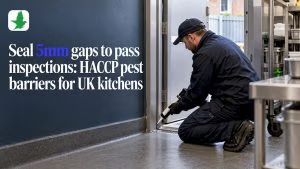
- Structural exclusion sealing entry points and installing door sweeps
- Monitoring systems detecting pest activity before populations explode
- Targeted treatments applying control methods where monitoring confirms activity
- Documentation and analysis tracking effectiveness and guiding adjustments
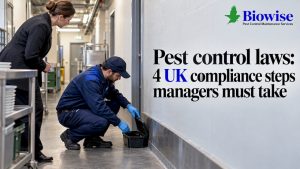
Rodent control relies heavily on strategic bait station placement. Rodent bait stations reduce activity by 65% within three months when positioned along travel routes and near harbourage. Tamper-resistant stations protect guests and staff whilst delivering consistent control in commercial environments.
Eco-friendly physical methods gain popularity in hospitality settings. Heat treatments eliminate bed bugs in hotel rooms without chemical residues. Mechanical traps capture rodents without toxins, suitable for organic-certified kitchens. Electronic monitoring devices alert managers to pest activity in real time, enabling rapid response.
| Method | Best for | Advantages | Limitations |
|---|---|---|---|
| Chemical treatments | Severe infestations | Fast knockdown, broad spectrum | Requires careful application, guest concerns |
| Bait stations | Ongoing rodent control | Low disruption, targeted | Slower results, requires maintenance |
| Heat treatments | Bed bugs, stored product pests | No residues, eco-friendly | Higher cost, equipment intensive |
| Monitoring devices | Early detection | Proactive, data-driven | Requires integration with treatment |
Pro Tip: Combine methods within an IPM framework rather than relying on single techniques. Monitoring devices identify problem areas, sanitation removes attractants, exclusion prevents entry, and targeted treatments address confirmed activity. This layered defence delivers sustainable control.
Balancing chemical and non-chemical controls depends on your venue type and guest expectations. Professional pest control versus DIY approaches differ significantly in effectiveness and compliance outcomes. Licensed providers access professional-grade products and apply them according to strict safety protocols protecting your operation.
Preventive hygiene practices to minimise pest risks
Daily sanitation forms your primary defence against pest establishment. Commercial kitchens generate food debris, grease, and moisture that attract cockroaches and rodents. Comprehensive cleaning protocols remove these attractants before pests colonise your premises.
Implement these essential hygiene routines:
- Clean food preparation surfaces thoroughly after each service period, removing all debris and spillage
- Empty and sanitise bins multiple times daily, never allowing waste to accumulate overnight
- Store dry goods in sealed containers elevated off floors, eliminating rodent access to ingredients
- Clean behind and beneath equipment weekly, addressing areas where debris accumulates unnoticed
- Maintain grease traps and drainage systems, preventing buildup that attracts pests and creates harbourage
Proper waste management extends beyond your kitchen. External bins require regular cleaning and positioning away from building entry points. Lids must close completely to prevent rodent access. Collection frequency should prevent overflow, which attracts pests from surrounding areas.
Sanitation protocols can reduce pest attraction by up to 50%, forming the foundation for compliance and control success. Food Standards Agency guidance emphasises hygiene as fundamental to preventing pest-related health violations. Consistent sanitation reduces treatment frequency and associated costs whilst improving overall food safety.
Staff training ensures everyone recognises early warning signs. Employees should report droppings, gnaw marks, unusual odours, or pest sightings immediately. Quick response prevents minor issues escalating into reportable infestations. Training also covers proper food storage, waste handling, and cleaning standards that support pest prevention.
Pro Tip: Schedule deep cleaning during quieter periods to address areas difficult to clean during regular service. Move equipment, clean wall-floor junctions, and inspect hidden spaces where pests hide. Quarterly deep cleans complement daily sanitation, addressing accumulated debris that regular cleaning misses.
Kitchen hygiene essentials extend to staff facilities and storage areas beyond food preparation zones. Lockers, break rooms, and delivery areas also require regular cleaning and monitoring to prevent pest activity spreading throughout your premises.
Pest control service contracts and provider selection
Maintenance contracts deliver proactive monitoring and treatments on regular schedules. Monthly or quarterly visits include comprehensive inspections, monitoring device servicing, and preventive treatments before pest populations establish. This approach reduces emergency callouts and maintains consistent compliance.
Licensed professional treatments reduce health violations by 80% compared to reactive approaches. Maintenance contracts provide documentation required for health inspections, demonstrating systematic pest management to regulatory authorities. Regular service identifies emerging issues early, when interventions cost less and disrupt operations minimally.
One-off treatments address immediate infestations but risk recurrence without ongoing prevention. Whilst initial costs appear lower, repeated emergency treatments often exceed maintenance contract expenses. Single treatments also lack the monitoring component essential for early detection and sustained control.
Evaluate providers on these critical factors:
- Valid pest control licensing and insurance covering commercial hospitality work
- Experience with similar venue types and pest pressures in London
- Availability for emergency response and after-hours treatments
- Detailed reporting systems documenting inspections, treatments, and recommendations
- References from other hospitality clients demonstrating successful outcomes
Scheduling flexibility matters in 24-hour operations. Providers should accommodate treatments during kitchen closures or overnight to avoid guest exposure. After-hours service prevents operational disruption whilst maintaining treatment effectiveness.
Pest control pricing in London varies based on venue size, pest pressure, and service frequency. Transparent pricing structures outline inspection fees, treatment costs, and maintenance contract rates upfront. Compare total annual costs rather than individual service prices when evaluating pest control contracts.
Tailored service plans address your specific facility needs. Hotels require bed bug monitoring in guest rooms alongside kitchen pest control. Large restaurant operations need intensive kitchen treatments plus dining area monitoring. Providers should assess your premises and recommend appropriate service levels matching your pest risks and operational requirements.
Summary comparison and situational recommendations
Different pest control approaches suit varying hospitality scenarios. High-traffic kitchens require intensive monitoring and frequent treatments. Boutique hotels emphasise discreet, eco-friendly methods protecting guest experience. New businesses prioritise compliance documentation and baseline control establishment.
| Approach | Effectiveness | Cost | Disruption | Environmental impact |
|---|---|---|---|---|
| Integrated Pest Management | Excellent long-term | Moderate | Low with planning | Low to moderate |
| Chemical treatments alone | Good short-term | Low initial | Can be significant | Higher |
| Bait stations with monitoring | Very good ongoing | Moderate | Minimal | Low |
| Heat and physical methods | Good for specific pests | Higher | Moderate | Very low |
| Maintenance contracts | Excellent sustained | Moderate annual | Minimal | Adaptable |
For high-volume kitchens with continuous service, combine monthly maintenance contracts with stringent sanitation protocols. Intensive monitoring catches activity early, whilst regular treatments prevent population establishment. Schedule treatments during kitchen closures to avoid service disruption.
Eco-conscious hotels benefit from IPM emphasising physical exclusion, monitoring, and heat treatments. These methods deliver effective control whilst supporting sustainability commitments guests value. Quarterly professional inspections supplement daily staff vigilance and preventive measures.
New hospitality businesses should establish baseline control immediately. Initial intensive treatments eliminate existing pest activity inherited from previous occupants. Follow with monthly monitoring for the first year, then adjust frequency based on results. Document all services to demonstrate compliance from opening day.
Combining methods within IPM frameworks consistently outperforms single-technique approaches. Chemical treatments knock down active infestations quickly. Sanitation removes attractants preventing recolonisation. Monitoring detects new activity early. Exclusion prevents entry. This layered strategy addresses pest biology comprehensively.
Key success factors include consistent sanitation, professional monitoring, rapid response to detection, and systematic documentation. Regular communication between your team and pest control provider ensures treatments target actual conditions. Quarterly reviews analyse trends and adjust strategies maintaining optimal protection.
Protect your hospitality business with expert pest control services
Managing pest control alongside daily hospitality operations demands specialist expertise and reliable partners. BioWise Services delivers tailored solutions for London restaurants and hotels, combining comprehensive treatments with flexible scheduling that respects your operational needs.
Our licensed professionals understand the unique pressures facing hospitality managers. We provide hotel pest control services designed around guest comfort and regulatory compliance. Flexible commercial pest control solutions include after-hours treatments, discreet service delivery, and detailed documentation supporting health inspections.
Pest control maintenance plans from BioWise combine regular monitoring with proactive treatments, reducing infestations by up to 80%. Our eco-friendly options balance effectiveness with environmental responsibility, supporting your sustainability goals whilst protecting guests and staff. Contact us today for a personalised consultation and discover how professional pest management protects your business reputation and bottom line.
Best pest control tips faq
Is routine cleaning enough to prevent pest problems in my restaurant?
Routine cleaning helps but rarely prevents pests completely without professional support. Commercial kitchens generate food debris and moisture attracting pests despite daily sanitation. Professional monitoring detects activity in hidden areas staff cleaning cannot reach, whilst targeted treatments address populations before they establish.
How do I select a licensed pest control provider in London?
Verify valid pest control licensing and commercial insurance covering hospitality work. Request references from similar venue types and check experience with your specific pest challenges. Evaluate reporting systems, after-hours availability, and treatment methods matching your operational and environmental preferences.
Can pest treatments be scheduled without disrupting guest services?
Yes, professional providers offer flexible scheduling during kitchen closures or overnight hours. Treatments in guest areas can occur during low-occupancy periods with appropriate advance communication. After-hours service prevents operational disruption whilst maintaining treatment effectiveness and guest comfort.
What are the main benefits of Integrated Pest Management for hotels?
IPM delivers sustainable control by addressing root causes rather than symptoms alone. This approach reduces chemical usage, lowering environmental impact and guest concerns. Regular monitoring detects issues early when interventions cost less and disrupt operations minimally, whilst comprehensive documentation supports regulatory compliance.
What signs indicate I need professional pest control immediately?
Visible pest activity during daytime suggests significant populations requiring urgent treatment. Multiple droppings, gnaw marks on packaging, unusual odours, or guest complaints demand immediate professional assessment. Health inspection notices or regulatory warnings require documented professional response to avoid enforcement action or closure.
How quickly can professional pest control resolve an active infestation?
Timelines vary by pest type and infestation severity. Initial treatments reduce rodent activity within days, with full control in four to eight weeks. Cockroach treatments show results in one to two weeks, requiring follow-up applications for complete elimination. Ongoing monitoring prevents recurrence after initial control is achieved.