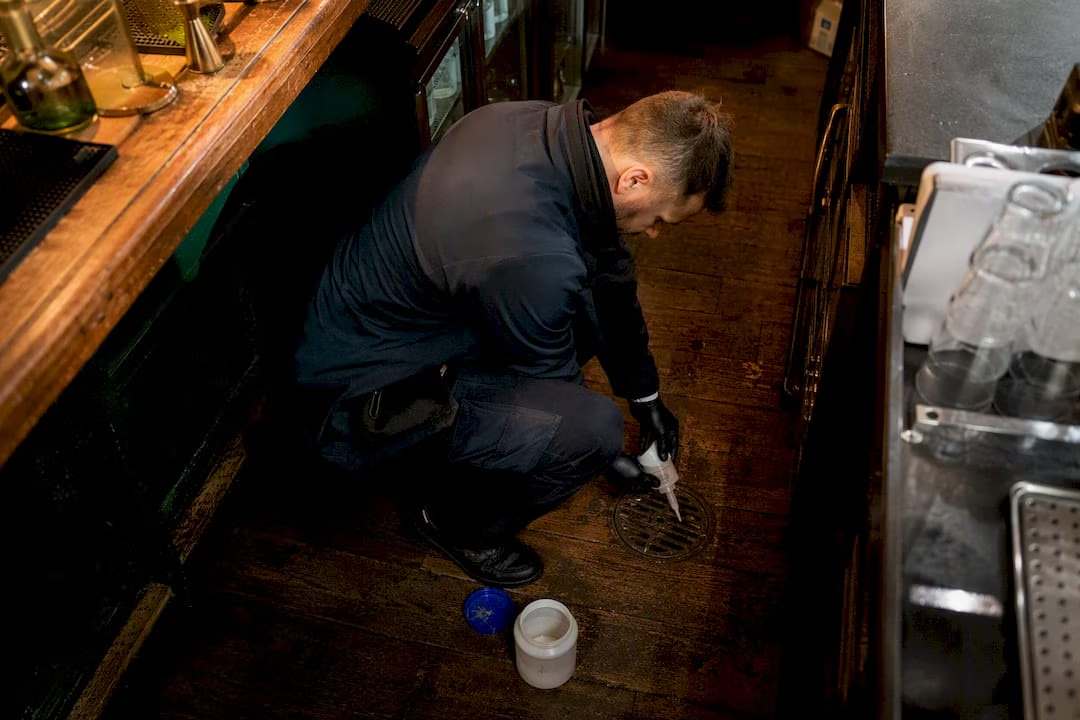

To get rid of fruit flies in a bar, stop them breeding at close: bin every piece of cut fruit, treat floor drains and speed wells with an enzymatic drain cleaner overnight, set two to four vinegar or beer traps, and empty bins, wash drip trays and hang mats to dry. Visible adult flies usually drop within a few days if you repeat this every night.
This action plan sets out the closing-time routine, where fruit flies breed behind a bar, the weekly and monthly checks that stop them coming back and when to call a professional. We have dealt with fly problems in London pubs, bars and restaurants since 2010, and the source is almost always residue the customer never sees.
Full elimination takes longer than the first drop in numbers, because the breeding sites, not the adult flies, are the real target.
Tonight’s non-negotiables at close:
- Bin every scrap of cut fruit and garnish; do not leave trimmings in prep bowls overnight
- Pour enzymatic drain treatment into all floor drains and speed wells
- Set two to four vinegar or beer traps near the bar, garnish station and waste area
- Empty and rinse internal bins, then wash and dry drip trays
- Hang rubber mats to dry rather than leaving them on wet floors
- Wipe down bottle racks and speed rails where sticky residue collects
Key Takeaways
Getting rid of fruit flies in a bar means removing the fermenting residue they breed in, especially in drains and speed wells, not just trapping the adults.
| Point | Details |
|---|---|
| Act at close, not next morning | Remove cut fruit, treat all drains, empty bins and dry mats every night. |
| Target the drain, not the air | Residue and biofilm in floor drains and speed wells are among the most common breeding sites in bars. |
| Expect results within days | Visible adult numbers usually drop within a few days once breeding sites are treated consistently. |
| Use traps to monitor | Vinegar and beer traps catch adults and show trends, but will not fix an active breeding site on their own. |
| Escalate after two to three weeks | Persistent catches or larvae in drains mean it is time for a professional inspection and treatment. |
| Keep the routine going | Daily, weekly and monthly checks stop the problem quietly returning. |
Table of Contents
- How to get rid of fruit flies in bars: the nightly closing checklist
- Where do fruit flies breed in a bar, and how fast do they multiply?
- What daily, weekly and monthly routines actually prevent reinfestation?
- Which DIY fruit fly traps for bars actually work?
- When should a bar call in professional pest control for fruit flies?
- Why the “just buy more traps” advice misses the point
- How BioWise can help with fruit flies in your bar
- Sources
- FAQ
How to get rid of fruit flies in bars: the nightly closing checklist
This is the routine that stops last night’s problem becoming next week’s infestation. Assign it to whoever closes the bar, and make it as automatic as the float count. If flies are already affecting service, our pest control for pubs and bars can help alongside this routine.
Drains and speed wells. Rinse speed wells thoroughly, then pour enzymatic drain cleaner into every floor drain and speed well and leave it overnight, following the product instructions, before running water through again. Do not mix it with bleach or other drain chemicals. This is not optional theatre: sugary residue and biofilm in drains are among the most common breeding sites in bars, and enzymatic products break down the organic matter larvae feed on rather than just masking the smell.
Garnishes and produce. Remove all cut fruit at close. Refrigerate anything reusable in a sealed container and bin the rest. Store whole fruit off the floor and away from warm equipment.

Mats, drip trays and bottle racks. Rinse and hang mats to dry. Wash drip trays. Schedule a proper deep clean weekly rather than relying on nightly wipes alone.
Waste and recycling. Empty internal bins fully, wash them, and keep external bins lidded and away from service doors. Empty bottles with sugary residue are a favourite breeding spot, so do not leave full bottle bins behind the bar overnight.
Trap placement. Set two to four small traps behind the bar, near waste and by the garnish station, then check them each morning.
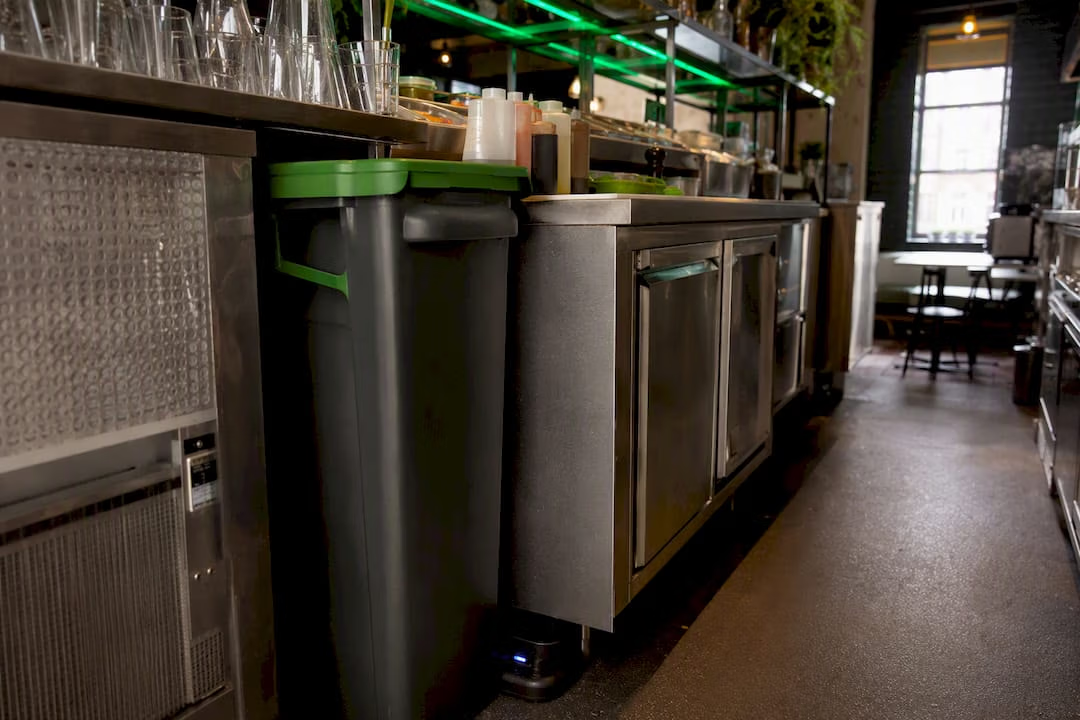
Pro Tip: Number each trap and log rough catch counts on a whiteboard behind the bar. A sudden jump near one drain tells you exactly where to focus tomorrow’s clean, instead of guessing.
Where do fruit flies breed in a bar, and how fast do they multiply?
Fruit flies do not wander in looking for trouble. They breed wherever fermenting sugar sits undisturbed, and a bar offers more of that than almost any other hospitality space.
The highest-risk spots are:
- Floor drains and speed wells coated in syrup, juice and beer residue
- Garnish stations with exposed cut citrus and berries
- Drip trays, bottle bins and the undersides of beer fonts
- Mop buckets left standing overnight
- Cracks in flooring and gaps under equipment near wet work areas
The life cycle moves fast. A female fruit fly lays her eggs in fermenting residue, and they develop through larva and pupa to adult in roughly a week to ten days in warm conditions, faster in a hot summer bar and slower when it is cool. A handful of flies spotted on a Monday can become a visible problem by the following weekend if the breeding site is not found.
Inspection is straightforward once you know what to look for: a sour, yeasty smell near a drain, tiny larvae in standing residue, or pupal cases stuck to the inside of a bin lid or drip tray. Rising trap catches concentrated near one drain, rather than spread evenly across the bar, usually mean breeding is happening on site rather than flies drifting in from outside.
Make sure it really is fruit flies. Two other small flies are common behind bars and need a different focus:
| Fly | What it looks like | Where it breeds | Telltale behaviour |
|---|---|---|---|
| Fruit fly (Drosophila) | About 2.5-4mm, tan to yellowish body, usually red eyes | Fermenting fruit, sugary residue, drains and drip trays | Hovers around drinks, garnishes and bins |
| Drain fly (moth fly, Psychodidae) | 2-5mm, fuzzy grey body, wings held like a pitched roof | Slime and biofilm in drains and damp organic build-up | Rests on walls near drains; weak, fluttering flight |
| Phorid fly (scuttle fly) | Similar size to a fruit fly but darker, with a humped back | Decaying organic matter, often linked to broken drains | Runs or scuttles across surfaces rather than flying |
The BPCA’s guide to small fly identification has more detail. Drain flies and phorid flies often point to a drainage defect, which is a job for a professional rather than more traps.
What daily, weekly and monthly routines actually prevent reinfestation?
A single good closing shift buys you a day or two. A structured calendar buys you the whole season. Fruit fly control in bars usually fails not because staff do not know what to do, but because the routine only runs when someone remembers.
Daily tasks are the closing checklist above: no cut fruit left out overnight, drains treated, mats dried, waste removed and bins lidded.
Weekly tasks go deeper than a nightly wipe-down:
- Deep-clean speed wells and beer fonts, not just rinse them
- Wash drip trays properly, including the drainage channel underneath
- Check vinegar traps and insect light trap glue boards, and refresh them when the liquid has evaporated or the board is full
- Check mop storage: buckets should be emptied, rinsed and stored upside down
Monthly tasks bring in a wider check:
- Inspect drain covers, gratings and seals for damage, and clear any build-up you can reach
- Have grease traps serviced, since they hold organic residue in exactly the conditions flies favour
- Review your trap counts and records, and walk the whole site for hidden residue under equipment and behind fridges
If flies keep coming back despite a solid routine, ask your pest controller about a professional drain treatment. Professional foam treatments are designed to reach biofilm in pipe joints and traps that a nightly pour cannot.
Pro Tip: Keep a simple record sheet by the till, logging the date, drain treatment done, trap counts and any professional visit. Six weeks of entries turns “we think it is better” into evidence for your next EHO visit or landlord meeting.
Which DIY fruit fly traps for bars actually work?
Not every trap recipe performs the same way, and knowing why helps you pick the right one for your bar.
Cider vinegar trap. Fill a small jar with apple cider vinegar, add a drop of washing-up liquid to break the surface tension, and cover loosely with cling film pierced with small holes. Flies get in easily; the detergent stops them escaping.
Beer or wine trap. A small amount of flat beer or leftover wine with a drop of detergent works on the same principle, and many bars find it just as effective.
The reason these baits work comes down to yeast. Research from KU Leuven found that fermenting yeast releases fruity-smelling compounds that fruit flies detect and follow, which is also why alcohol and juice residue on a bar top is such a reliable attractant.
Traps reduce adult numbers and give you a monitoring tool, but they will not solve a breeding-site problem on their own. Insect light traps with glue boards add a second layer, because fruit flies are strongly attracted to UV light. Site them away from open drinks, garnishes and food, and choose glue-board units rather than zappers near service areas.
When should a bar call in professional pest control for fruit flies?
A consistent DIY routine handles many cases within a week or two. Escalate when:
- Trap catches stay high or climb after two to three weeks of consistent nightly treatment
- You find larvae or pupae in a drain, bin or floor crack
- Several areas are active at once rather than one isolated drain
- You are seeing drain flies or phorid flies, which can point to a drainage defect
- A customer complaint or an EHO note mentions flies
A professional visit should include a full inspection of speed wells, drains, waste areas and less obvious cracks and voids, targeted treatment of the breeding sites, and a written report with follow-up monitoring. That documentation matters as much as the treatment if you are ever asked to show due diligence, a point covered in more depth in our guide to pests causing food hygiene failures in London kitchens. Any treatment near service areas should follow food-safe pest control principles, with glassware, garnishes and open drinks removed or covered.
A combined plan, staff routine plus scheduled professional service, tends to resolve chronic cases faster than repeated one-off call-outs, because it removes the breeding source rather than knocking back the adult population each time.
When a bar tells us they have been buying traps for months, the source is nearly always in the drains or speed wells behind the bar. Once those are properly treated and staff dose them every night, catches fall away. When the nightly routine slips, the flies come back, so the routine matters as much as the treatment.
– Matt Ochello, Sales Executive, BioWise
Why the “just buy more traps” advice misses the point
Most fruit fly advice aimed at bars leads with traps, and traps are the least important part of the solution. They catch adults and give you useful monitoring data, but a bar can get through dozens of vinegar traps a month and still have a fly problem if the drains under the bar are coated in residue.
The usual advice underrates drains because they are invisible. Nobody complains about a drain; they complain about flies near their drink. That gap between the visible symptom and the actual source is where most bars waste time and money on the wrong fix.
Fermentation residue, not the flies themselves, is the target. Treat the drain, the speed well and the mop bucket before you treat the air above the bar top. Traps and light units are a useful second layer once the source is under control, never a substitute for it.
– Ben, Service Technician, BioWise
How BioWise can help with fruit flies in your bar
If your fruit fly problem keeps resurfacing despite a solid nightly routine, we can find and treat the source. Our technicians inspect drains, speed wells, cellars, waste areas and equipment voids, identify which flies you actually have and treat the breeding sites on the first visit where possible. Visits are discreet and planned around trading hours, with evening, weekend and out-of-hours cover and unmarked vehicles on request.

For ongoing cover, our pub and bar pest control contracts include monthly visits with official photo reports, digital service reports for your EHO or audit file, emergency call-outs and unlimited minor pest proofing, covering flies, rodents and other pests. Every contract starts with a free site survey and a fixed written quote.
BioWise is a family-run London company founded in 2010. We are BPCA and NPTA members, CHAS accredited and SafeContractor approved, with BPCA-certified technicians and a 4.9-star Google rating.
To book a visit, call 0800 988 3568 or contact us and tell us what you are seeing.
BioWise Pest Control Maintenance
13 Hanover Square, London, W1S 1HN
Call 0800 988 3568 or email info@biowiseservices.com
Sources
- British Pest Control Association: Know your enemy, the key to tiny fly control
- Food Standards Agency: Safer Food, Better Business for caterers, pest control safe method
- Food Standards Agency: Starting a food business
FAQ
How do I get rid of fruit flies in my bar?
Remove all cut fruit at close, treat every floor drain and speed well with enzymatic cleaner overnight, set vinegar or beer traps near the bar and waste points, and empty bins, wash drip trays and dry mats. Repeat nightly until catches drop, and call a professional if they stay high after two to three weeks.
Why does alcohol attract fruit flies?
Fruit flies are drawn to fermentation. Yeast in beer, wine, cider and fruit juice residue releases fruity-smelling compounds that the flies follow to find food and places to lay eggs. That is why spills on bar tops, drip trays and empty bottles attract them so reliably, and why beer and vinegar make good trap baits.
Are fruit flies a hygiene risk in a bar?
Yes. Fruit flies move between drains, bins and fermenting residue and then land on glasses, garnishes and food, so they can carry contamination onto surfaces. Visible flies also count against you at a food hygiene inspection, and drinks are covered by food law, so bars need adequate pest control procedures like any food business.
Does beer kill fruit flies?
Not on its own. Beer lures fruit flies into a trap, and a drop of detergent breaks the surface tension so they cannot escape. Beer traps are useful for monitoring and reducing adult numbers, but they will not stop flies breeding in drains or residue elsewhere.
How quickly can a fruit fly infestation take hold in a bar?
Quickly. Eggs can develop into breeding adults in roughly a week to ten days in warm conditions, so an untreated drain or bottle bin can produce a visible, growing population within a week or two. This is why the nightly closing routine matters more than any single deep clean.