

TL;DR:
- Biological pest control uses living organisms to target pests naturally and sustainably within gardens. It involves strategies like classical, augmentative, and conservation biocontrol, each suited for different timelines and circumstances. Success depends on proper agent selection, timing, environmental conditions, and patience from homeowners.
Biological pest control is defined as the use of living organisms, including predators, parasitoids, pathogens, and nematodes, to suppress harmful pest populations, typically within an integrated pest management programme. Unlike broad-spectrum chemical pesticides, this approach works with natural ecological processes rather than against them. The result is pest suppression that is targeted, sustainable, and far less disruptive to the wider garden environment. For homeowners seeking greener alternatives, understanding how biological control works is the first step towards making genuinely informed decisions about pest management.
What are the main methods of biological pest control?
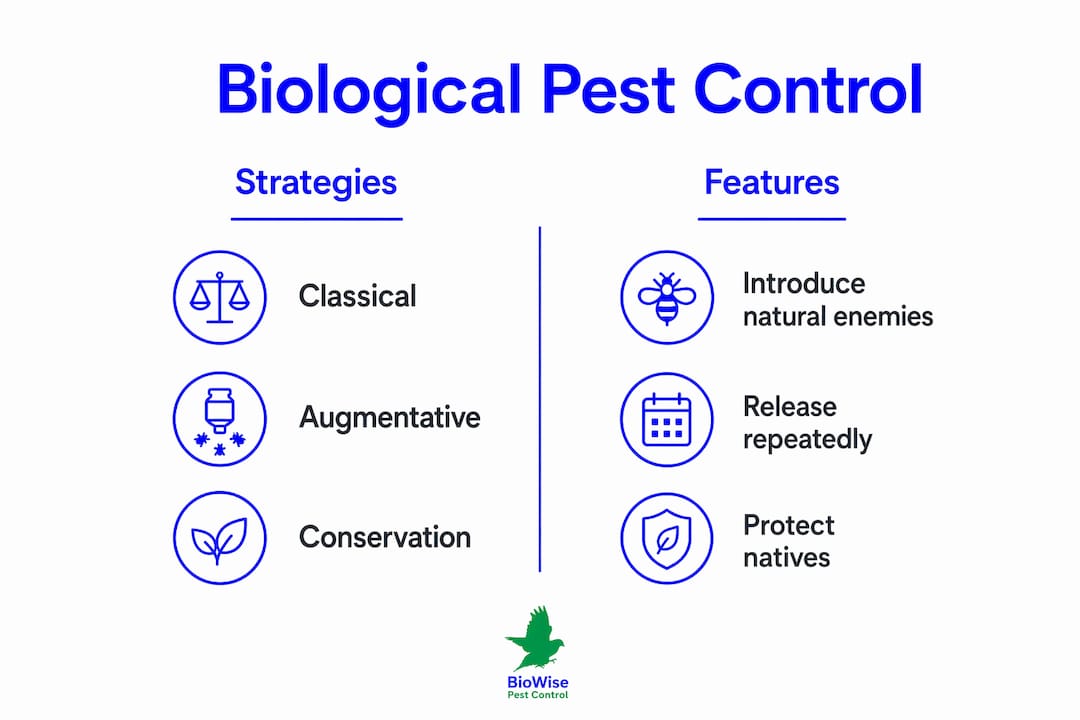
Three core strategies define biological pest management: classical, augmentative, and conservation biocontrol. Each operates on a different timeline and requires a different level of ongoing input. Choosing the wrong strategy for your situation is one of the most common reasons biocontrol underperforms.
Classical biocontrol involves introducing a natural enemy from another region to permanently establish itself and suppress an invasive pest. This approach is designed for long-term, self-sustaining control. It requires minimal ongoing intervention once the agent is established, but results can take years to materialise.
Augmentative biocontrol relies on repeated releases of natural enemies to achieve faster pest suppression. This is the method most relevant to home gardeners, as commercially available nematodes and predatory insects fall into this category. The trade-off is that ongoing purchases and applications are required throughout the growing season.
Conservation biocontrol focuses on protecting and encouraging native natural enemies already present in your garden. Planting nectar-rich flowers, reducing pesticide use, and providing habitat for beneficial insects all support this strategy. It costs very little but demands patience and a willingness to accept some pest presence as part of a balanced ecosystem.
| Strategy | Mechanism | Timeline | Best For |
|---|---|---|---|
| Classical | Introduce exotic natural enemy | Years | Invasive pest species |
| Augmentative | Repeated releases of agents | Weeks to months | Home gardens, crops |
| Conservation | Protect native natural enemies | Ongoing | Sustainable garden management |
Pro Tip: If you are new to biocontrol, start with augmentative methods. Commercially available nematodes and ladybird larvae give you visible, measurable results within a single season.
Which organisms are used as biological control agents?
Predators, parasitoids, and pathogens are the three main categories of biological control agents, each working through a distinct mechanism. Understanding what each does helps you select the right agent for the pest you are dealing with.
Predators consume pest insects directly. Ladybirds and lacewing larvae are the most familiar examples in British gardens, feeding voraciously on aphid colonies. A single lacewing larva can consume hundreds of aphids during its development, making it a highly effective agent for soft-bodied pest control.
Parasitoids are insects, typically wasps or flies, that lay their eggs inside or on a host insect. The larvae develop by consuming the host, ultimately killing it. Key groups include ichneumonid wasps, braconid wasps, chalcidoid wasps, and tachinid flies. These agents tend to have narrow host ranges, which is precisely what makes them so valuable. They target the pest without harming beneficial species nearby.
Pathogens include insect-pathogenic nematodes, fungi, bacteria, and viruses. Nematodes are the most widely used by homeowners. They are microscopic roundworms that enter pest larvae through natural body openings and release bacteria that kill the host within days. The RHS recommends nematodes for controlling vine weevil, leatherjackets, and slugs in home gardens.
Common biological control agents used in gardens and agriculture include:
- Steinernema carpocapsae nematodes for vine weevil larvae
- Phasmarhabditis hermaphrodita nematodes for slugs
- Lacewing larvae (Chrysoperla carnea) for aphids and whitefly
- Ladybirds (Coccinella septempunctata) for aphid colonies
- Encarsia formosa parasitic wasps for glasshouse whitefly
- Phytoseiulus persimilis predatory mites for red spider mite
Host specificity is the defining advantage of these agents. A parasitic wasp targeting glasshouse whitefly will not harm your pollinating bees. That precision is something no broad-spectrum chemical pesticide can replicate.
What are the benefits of biological pest control vs chemical methods?
Biocontrol reduces pesticide dependence, lowers costs over time, supports pollination by protecting beneficial insects, and delays the development of pest resistance. Each of these benefits compounds over a growing season, making biological methods increasingly cost-effective compared with repeated chemical applications.
Chemical pesticides create selection pressure on pest populations. Survivors of each treatment pass on resistance traits to the next generation. Biological agents do not create this pressure in the same way, which means pest populations are less likely to develop resistance over time. For homeowners who have noticed chemical treatments becoming less effective year on year, this is a significant practical advantage.
The environmental case is equally strong. Biological controls in gardens can outperform broad-spectrum pesticides for certain invertebrates precisely because of their specificity, reducing collateral damage to non-target species. Bees, hoverflies, ground beetles, and earthworms all benefit when chemical use is reduced.
Key benefits of biological pest control for homeowners:
- No harmful chemical residues left on edible plants or soil
- Safe for children, pets, and wildlife when used correctly
- Supports biodiversity by protecting non-target beneficial insects
- Reduces long-term costs by establishing self-sustaining control
- Aligns with eco-friendly pest management principles increasingly recommended by the RHS and other bodies
Modern biocontrol programmes are also subject to strict regulatory testing before any agent is approved for release. This addresses historical concerns about ecological harm, such as the introduction of cane toads to Australia, where unregulated releases caused serious environmental damage. Today, agents are carefully evaluated for host specificity and ecological safety before reaching the market.
How can homeowners apply biological pest control effectively?
Correct pest identification is the starting point for any successful biocontrol programme. Applying the wrong agent to the wrong pest produces no result, regardless of how carefully you follow the application instructions. Before purchasing any biological control product, confirm the pest species you are dealing with.
Timing is equally critical. Biological controls should be released before large pest populations develop. Once an infestation is severe, natural enemies cannot multiply fast enough to bring numbers down quickly. Early intervention, at the first signs of pest activity, gives agents the best chance of establishing and suppressing the population before it causes serious damage.
Environmental conditions determine whether nematodes survive and work. Steinernema species remain active in soil temperatures as low as 5°C, while Heterorhabditis species require soil temperatures above 12°C and consistently moist conditions. Applying nematodes during a dry spell or in cold spring soil is a common and costly mistake.
Sourcing matters too. Purchase biological control agents from reputable suppliers who guarantee live delivery and provide clear storage instructions. Agents that arrive dead or are stored incorrectly before application will not perform. The RHS maintains a list of approved suppliers and application guidance for the most commonly used garden biocontrol products.
Pro Tip: Water the soil thoroughly before and after applying nematodes. Moisture is the single most important environmental factor for nematode survival and movement through the soil profile.
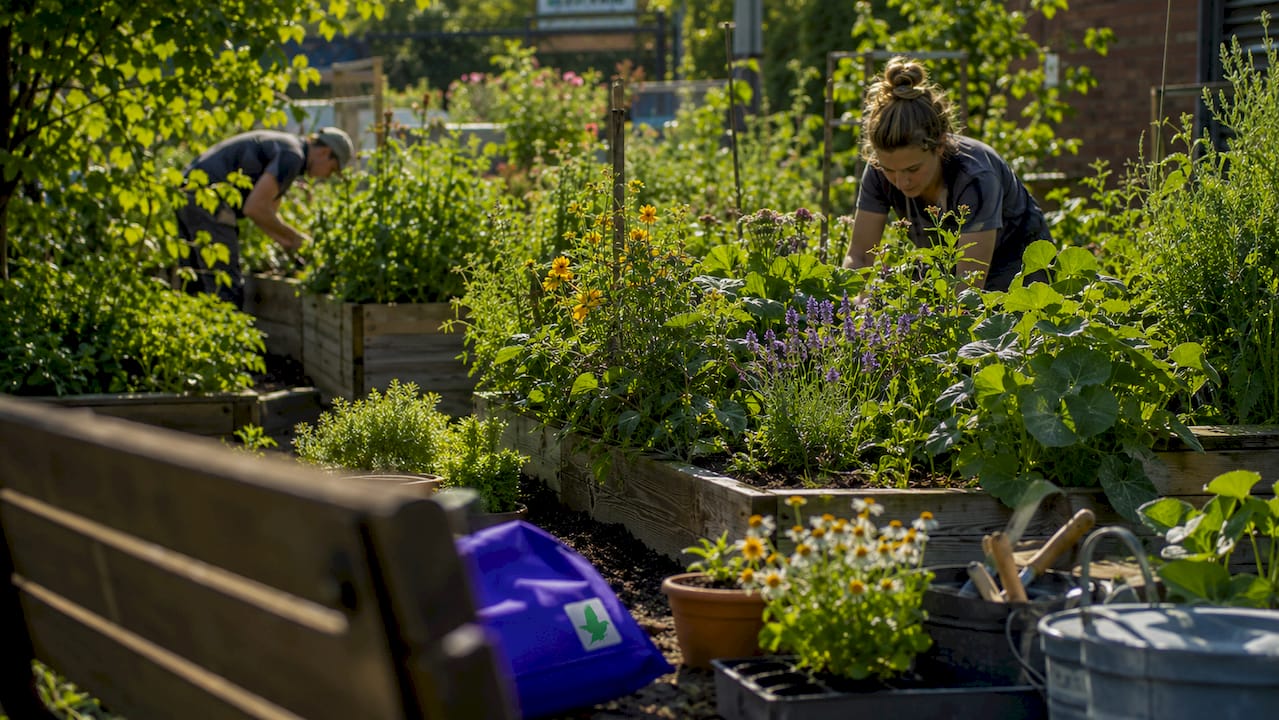
Sustainable landscaping practices also support biocontrol by creating habitat for beneficial insects year-round. Planting hedgerows, leaving areas of long grass, and growing flowering plants alongside vegetables all increase the natural enemy population in your garden without any additional cost.
What are the limitations of biological pest control?
Biological control is not a substitute for instant eradication. UC ANR research confirms that biocontrol aims for long-term pest suppression, not rapid knockdown. Homeowners expecting results within 24 hours will be disappointed. This is the most common reason people abandon biocontrol prematurely and return to chemical methods.
The main limitations to understand before committing to a biocontrol programme:
- Slow action. Natural enemies need time to locate, consume, and reproduce. Visible pest reduction typically takes one to three weeks after release.
- Environmental sensitivity. Temperature and moisture conditions directly affect agent survival. A cold snap or drought can render an application ineffective.
- Pest population dependency. Natural enemies persist only while their target pest is present. Once the pest is suppressed, agent populations decline. This is ecologically correct behaviour, but it means re-application may be needed if the pest returns.
- Ecological risk from incorrect introductions. Introducing non-native agents without proper guidance carries ecological risk. This applies mainly to classical biocontrol and is not a concern with commercially approved products.
- Not suitable for all pest types. Biocontrol works well for invertebrate pests such as aphids, vine weevil, and slugs. For rodents, birds, or structural pests, professional pest management remains the appropriate response.
Understanding these limitations does not undermine the case for biocontrol. It simply sets realistic expectations and helps you plan a programme that works alongside, rather than instead of, other pest management tools.
Key takeaways
Biological pest control is the most targeted and ecologically responsible method available to homeowners, but it requires correct agent selection, precise timing, and patience to deliver results.
| Point | Details |
|---|---|
| Three core strategies | Classical, augmentative, and conservation biocontrol each suit different timelines and pest scenarios. |
| Agent specificity matters | Matching the correct agent to the correct pest species and life stage is critical for success. |
| Timing drives results | Release agents early, before large pest populations develop, to give natural enemies the best chance. |
| Environmental conditions | Nematode success depends on soil temperature and moisture; check conditions before applying. |
| Realistic expectations | Biocontrol suppresses pests sustainably over weeks, not days; patience is required for results. |
Why i think homeowners underestimate biocontrol
Having observed pest management in residential settings for many years, I find that the biggest barrier to biocontrol adoption is not cost or availability. It is expectation. Homeowners reach for a spray bottle because it delivers visible results within hours. Biocontrol asks you to trust a process you cannot always see.
What I have found, though, is that the homeowners who commit to biological methods and give them time consistently report better outcomes over a full season. They also notice something unexpected: their gardens become more alive. Hoverflies appear. Ground beetles return. The garden starts to regulate itself in ways that chemical programmes actively prevent.
The misconception I encounter most often is that biological control is a niche, complicated approach suited only to professional growers. In reality, applying nematodes to a lawn or releasing lacewing larvae into a greenhouse is no more complex than mixing a chemical concentrate. The difference is that you are working with a living system rather than against it.
My honest advice is to start small. Choose one pest, select the appropriate agent, and follow the application guidance precisely. The pest control tips for homeowners available from reputable sources make this far more accessible than it appears. Once you see results, the case for expanding your biocontrol programme becomes self-evident.
— Ana Hasula
How biowise pest control maintenance services can help

Biowise Pest Control Maintenance Services has been supporting London homeowners and businesses with professional, eco-conscious pest management since 2010. With over 600 clients across the city, we understand that sustainable pest control is not just a preference for many households. It is a priority. Our domestic pest control services incorporate environmentally responsible methods tailored to your specific pest challenges, whether you are dealing with garden invertebrates, household rodents, or recurring infestations. If you would like personalised advice on integrating biological or eco-friendly approaches into your pest management plan, contact Biowise Pest Control Maintenance Services today for a no-obligation consultation.
FAQ
What is biological pest control in simple terms?
Biological pest control is the use of living organisms, such as predatory insects, parasitic wasps, or nematodes, to reduce pest populations naturally. It works by introducing or encouraging natural enemies that target specific pest species without harming the wider environment.
How does biological pest control differ from chemical pest control?
Chemical pest control kills pests rapidly using synthetic compounds but can harm non-target species and create pest resistance over time. Biological control is slower but species-specific, leaving no harmful residues and supporting long-term ecological balance.
Are biological control products safe for children and pets?
Commercially approved biological control products, including nematodes and predatory insects, are considered safe for children, pets, and wildlife when used as directed. Regulatory testing confirms host specificity and ecological safety before any product reaches the market.
When is the best time to apply nematodes in the garden?
Nematodes should be applied when soil temperatures meet the requirements of the specific species: Steinernema from 5°C and Heterorhabditis above 12°C. Soil must be moist, and application should occur before pest populations reach damaging levels.
Can biological pest control completely eradicate a pest?
Biological control aims for sustainable suppression rather than total eradication. Natural enemies reduce pest populations to manageable levels and persist as long as the target pest is present, providing ongoing control without repeated chemical intervention.