

A single pest sighting in your restaurant or hotel can trigger consequences far beyond a brief inconvenience. A revenue drop of 30 to 50% is a realistic outcome when a negative review citing pests goes live, and in London’s fiercely competitive hospitality market, that kind of reputational damage can take months to recover from. Beyond the financial hit, there are legal obligations, Food Standards Agency ratings, and the very real possibility of forced closure to consider. This guide walks you through exactly how to build a pest control plan that keeps your premises compliant, your guests confident, and your business protected.
Table of Contents
- Why pest control planning is essential for London hospitality
- Preparation: What you need before you start
- Step-by-step: How to create and implement an effective pest control plan
- Costs, common mistakes and best practices
- Verifying success and keeping your plan compliant
- Partner with trusted London pest control specialists
- Frequently asked questions
Key Takeaways
| Point | Details |
|---|---|
| Compliance is mandatory | All London restaurants and hotels must have a documented pest control plan to meet legal standards. |
| Prevention saves money | Integrated pest management cuts long-term costs by up to 90 percent compared to reactive treatments. |
| Accredited professionals required | Use only BPCA or NPTA-accredited providers to ensure compliance and effective protection. |
| Staff training is vital | Regularly train your team to spot, report, and act on pest sightings to maintain a pest-free premises. |
Why pest control planning is essential for London hospitality
Pest control is not optional for food businesses in the UK. Food Safety Act 1990, Food Hygiene Regulations 2013, and EC Regulation 852/2004 collectively require all food premises, including restaurants and hotels, to maintain documented pest control procedures that prevent contamination. Failing to meet these standards can result in a poor FSA hygiene rating, enforcement notices, or outright closure.
The reputational stakes are equally serious. A single rodent complaint posted online can suppress bookings for weeks. Proactive planning, rather than reactive scrambling after an incident, is what separates businesses that maintain strong ratings from those that do not. Reviewing best pest control tips for hospitality venues gives you a solid starting point for understanding what proactive measures look like in practice.
Key risks that a formal pest control plan directly addresses include:
- Loss of FSA food hygiene rating (scores below 3 are publicly visible and damaging)
- Enforcement action, fines, or temporary closure by Environmental Health Officers
- Negative press coverage and online reviews citing pest activity
- Staff morale and retention issues linked to poor hygiene conditions
- Insurance complications following a pest-related incident
Engaging a provider with BPCA (British Pest Control Association) or NPTA (National Pest Technicians Association) accreditation is a key part of demonstrating due diligence. Understanding contract pest control compliance requirements helps you select the right partner from the outset.
“Proactive pest management is not just good practice. It is a legal obligation for every food business operating in England, and the documentation you keep is your first line of defence during an inspection.”
Once you have recognised the very real costs and risks, it is vital to understand what preparing an effective pest control plan involves.
Preparation: What you need before you start
With the rationale established, it is time to get practical about what you need to prepare up front before pest control implementation. The foundation of any effective plan is a thorough site survey and risk assessment. This means walking every area of your premises, from delivery bays and bin stores to kitchen extraction units and cellar spaces, and identifying entry points, harbourage areas, and existing pest activity.
Conducting an initial risk assessment and engaging a BPCA or NPTA accredited professional for a contract with regular scheduled visits are the two most critical early steps. Accreditation is not a marketing badge. It is evidence that the technician holds recognised qualifications and follows a code of conduct that satisfies regulatory due diligence. Checking pest control certification standards before signing any contract is strongly advisable.
Key documents and preparations to gather before implementation:
- Site floor plan annotated with risk zones, entry points, and drain locations
- Current cleaning schedules and hygiene protocols
- Records of any previous pest activity or treatments
- Supplier and waste management contracts (relevant to attractants)
- Staff contact list for training and reporting responsibilities
| Preparation task | Why it matters | Who is responsible |
|---|---|---|
| Site survey and risk assessment | Identifies vulnerabilities before pests exploit them | Accredited pest controller |
| Hygiene protocol review | Removes attractants that undermine treatment | Premises manager |
| Documentation audit | Ensures compliance records are complete | Owner or compliance lead |
| Staff briefing | Builds awareness and early reporting culture | Management team |
Pro Tip: Ask your prospective pest control provider to walk the site with you before signing a contract. A reputable technician will identify issues you may have overlooked and tailor their service accordingly.
Step-by-step: How to create and implement an effective pest control plan
With your prerequisites assembled, it is time to execute your pest control plan in sequential steps for maximum compliance and effectiveness. Following a structured sequence ensures nothing is missed and that your documentation holds up under inspection.
- Conduct and document a risk assessment. Record all identified risks, pest pressures, and structural vulnerabilities in writing. This document forms the backbone of your compliance file.
- Select and contract a BPCA or NPTA accredited pest controller. Ensure the contract specifies visit frequency, response times for emergencies, and what treatments are included.
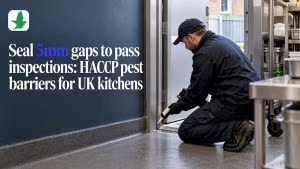
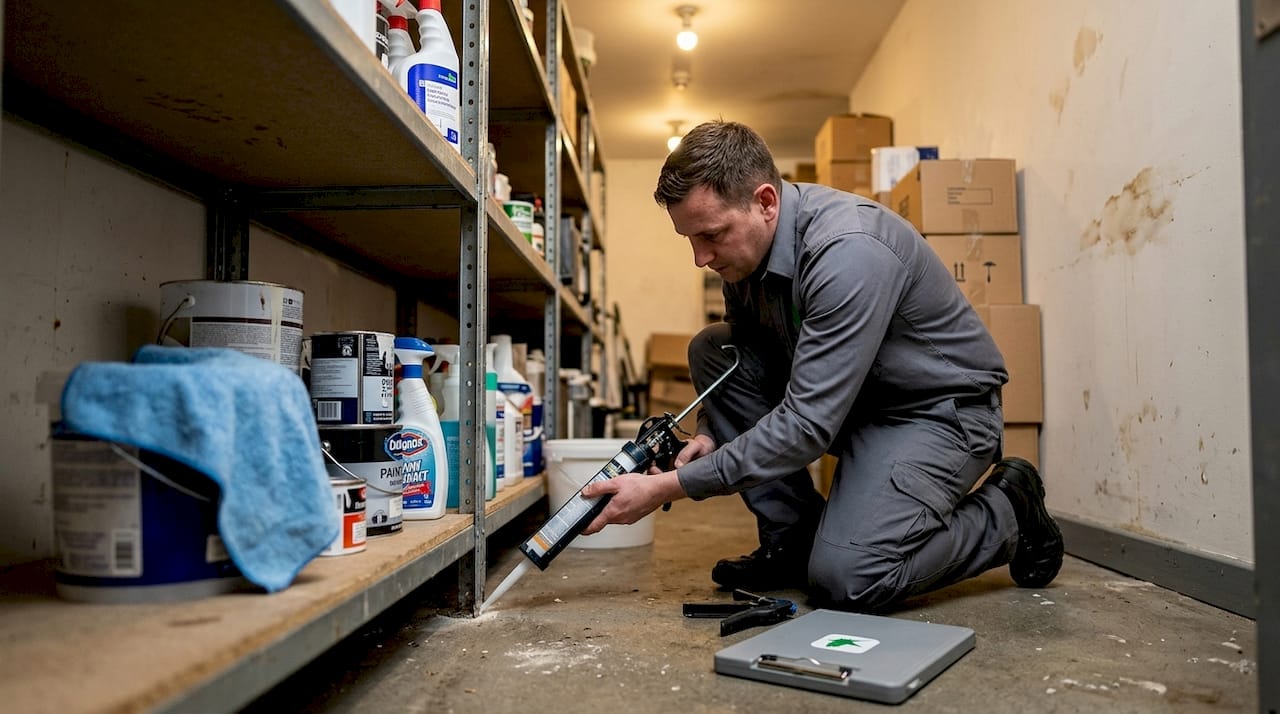
- Carry out proofing works. Seal gaps around pipework, install door brushes and fly screens, and repair any structural defects that allow pest entry. Proofing is the single most cost-effective long-term measure.
- Establish hygiene routines. Implement daily cleaning schedules, strict food storage protocols (sealed containers, off-floor storage), and a robust bin management system with lidded external bins emptied regularly.
- Install and monitor control devices. Bait stations, insect light traps, and rodent monitoring points must be correctly sited, checked on schedule, and logged. Placement maps should be kept in your compliance file.
- Train all staff. Every team member should know the signs of pest activity, how to report a sighting, and their personal hygiene responsibilities. Training records must be documented.
- Maintain detailed records. Keep copies of your contract, all technician visit reports, treatment records, and corrective actions taken. These are your evidence of due diligence.
Understanding the cost of ignoring pest control reinforces why each of these steps matters financially, not just legally. If you are weighing up options, the comparison between DIY versus professional pest control is worth reviewing before making any decisions.
| Approach | Compliance value | Cost over 12 months | Risk level |
|---|---|---|---|
| DIY only | Does not meet due diligence | Low upfront, high risk | High |
| Reactive professional | Partial compliance | Variable, often high | Medium |
| Proactive contract | Full compliance | Predictable, lower overall | Low |
Pro Tip: Keep a pest control logbook on site at all times. Environmental Health Officers expect to see it during inspections, and a well-maintained log demonstrates active management rather than passive neglect.
Costs, common mistakes and best practices
Having completed the steps, maintaining vigilance rests on understanding costs and learning from industry best practices and common mistakes. Budgeting accurately for pest control removes the temptation to cut corners.
Annual contracts typically cost £800 to £2,500, with monthly visits ranging from £60 to £150. Integrated Pest Management, known as IPM, is the industry-standard framework that combines prevention, monitoring, and targeted treatment to reduce reliance on chemical pesticides. IPM can reduce long-term pest control costs by 70 to 90% compared to reactive treatment alone.
| Service type | Typical annual cost | Visit frequency |
|---|---|---|
| Basic contract (small venue) | £800 to £1,200 | Quarterly |
| Standard contract (mid-size) | £1,200 to £2,000 | Monthly |
| Full-service contract (large) | £2,000 to £2,500+ | Fortnightly or monthly |
Common mistakes that undermine pest control plans:
- Using unaccredited providers to save money, which invalidates due diligence
- Allowing hygiene standards to slip between professional visits
- Failing to update records after corrective actions are taken
- Neglecting proofing works because they seem like a one-off expense
- Not involving all staff in reporting and hygiene responsibilities
Reviewing how to avoid pest control fines and understanding why pest management matters for London hospitality venues provides further context on the financial consequences of these errors.
“Industry best practice in the food sector consistently points to IPM as the most effective and cost-efficient framework, combining prevention, monitoring, and targeted intervention to deliver lasting results.”
Verifying success and keeping your plan compliant
After initiating your plan and embedding best practices, focus moves to maintenance and ongoing improvement to ensure continuous protection and compliance. A pest control plan is not a document you file and forget. It requires regular review to remain effective.
Professional contracts reduce infestations by 70 to 90%, but poor hygiene practices between visits can extend pest activity by up to 50%. This means your internal standards are just as important as the professional service you commission.
Key actions for ongoing verification and compliance:
- Review your pest control contract and service reports every 6 to 12 months, checking that visit frequency and treatment methods remain appropriate for your current risk level
- Schedule staff refresher training at least annually, and whenever there is a change in kitchen or housekeeping personnel
- Monitor regulatory updates, particularly around glue trap restrictions (England introduced a ban on glue traps for rodents in 2024, with exemptions only for licensed professionals)
- Update your site plan and device placement maps whenever there are structural changes to the premises
- Cross-reference pest activity logs with hygiene audit findings to identify patterns and address root causes
Exploring eco-friendly pest control options is increasingly relevant as London hospitality businesses face growing pressure from guests and regulators alike to adopt more sustainable practices. Low-toxicity treatments and digital monitoring systems are now widely available and compatible with full compliance.
Partner with trusted London pest control specialists
Building a robust pest control plan takes expertise, documentation, and the right professional partner. At BioWise, we have been supporting London restaurants and hotels since 2010, and we understand the compliance pressures and reputational stakes you face every day.
Our London commercial pest control contracts are tailored to your premises, your risk profile, and your budget. Whether you need an urgent treatment or a structured ongoing maintenance programme, we provide fully documented, BPCA-aligned services that hold up under Environmental Health inspection. We also offer eco-friendly pest solutions for businesses committed to sustainable operations. If you are ready to put a compliant, effective plan in place, speak to our pest experts today for a tailored risk assessment and quote.
Frequently asked questions
Is a pest control plan a legal requirement for restaurants and hotels in London?
Yes. The Food Safety Act 1990 and related regulations require all London food premises to maintain a documented pest control plan as part of their legal food safety obligations.
What does a professional pest control contract usually cost?
Annual contracts generally cost £800 to £2,500, with monthly visits typically priced between £60 and £150 depending on premises size and service scope.
How often should pest control be reviewed in hotels and restaurants?
Contracts, proofing measures, and records should be reviewed every 6 to 12 months. Professional contracts cut infestations by 70 to 90%, but only when hygiene standards and monitoring are maintained consistently between visits.
Is DIY pest control sufficient for legal compliance?
No. Only BPCA or NPTA accredited professionals meet the due diligence and compliance standards required for hospitality venues. DIY approaches do not satisfy the documentation or treatment requirements set out in food hygiene legislation.