

TL;DR:
- Early detection of pest symptoms and sealing structural gaps is vital for long-term control.
- Landlords and tenants have clear legal responsibilities to address infestations promptly and effectively.
A pest infestation is defined as the presence of organisms that threaten human health, property, or food safety at levels requiring active management. UK professional guidance identifies common culprits as rats, mice, bed bugs, cockroaches, flies, fleas, clothes moths, silverfish, and pigeons. These species cause damage ranging from gnawed electrical wiring to the spread of diseases such as salmonella and leptospirosis. The Housing Health and Safety Rating System (HHSRS) classifies serious infestations as a Category 1 hazard, meaning landlords and local authorities carry legal duties to act. Recognising an infestation early is the single most effective way to limit its impact on your home and health.
What are the signs of a pest infestation in your home?
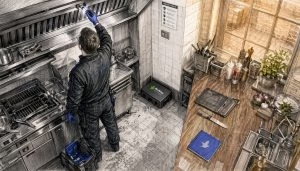
Early detection of pests through signs like droppings, noises, damaged packaging, and odours significantly improves treatment success. Ignoring these warning signs often leads to widespread infestations requiring more aggressive treatment. Knowing exactly what to look for means you can act before a minor problem becomes a major one.
The most reliable infestation symptoms to watch for include:
- Droppings. Rat droppings are roughly the size of a large grain of rice; mouse droppings are smaller and pointed at both ends. Cockroach frass resembles ground black pepper scattered near food sources.
- Gnaw marks. Rodents gnaw on wiring, woodwork, and food packaging. Fresh gnaw marks appear pale and rough; older marks darken over time.
- Unusual noises. Scratching or scurrying sounds in walls, ceilings, or under floorboards at night indicate rodent activity.
- Nests and bedding material. Mice shred paper, insulation, and fabric to build nests in warm, hidden spots such as behind appliances or inside wall cavities.
- Distinctive odours. Mice produce a persistent ammonia-like smell. Cockroach infestations generate a musty, oily odour. Bed bug colonies emit a faint sweet scent.
- Visible damage. Clothes moths leave irregular holes in natural fibres such as wool and silk. Silverfish damage paper, book bindings, and starchy food packaging.
- Live or dead insects and rodents. Spotting a single cockroach during daylight hours is a strong indicator of a larger hidden population.
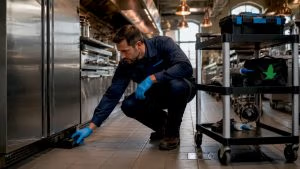
Pro Tip: Check along skirting boards, behind kitchen appliances, and inside cupboards monthly. Pests favour dark, undisturbed areas, so these spots reveal evidence long before you see the pest itself.
Checking common London household pests against this list helps you match evidence to species quickly, which matters because different pests require different control methods.
What causes pest infestations and how do pests enter your property?
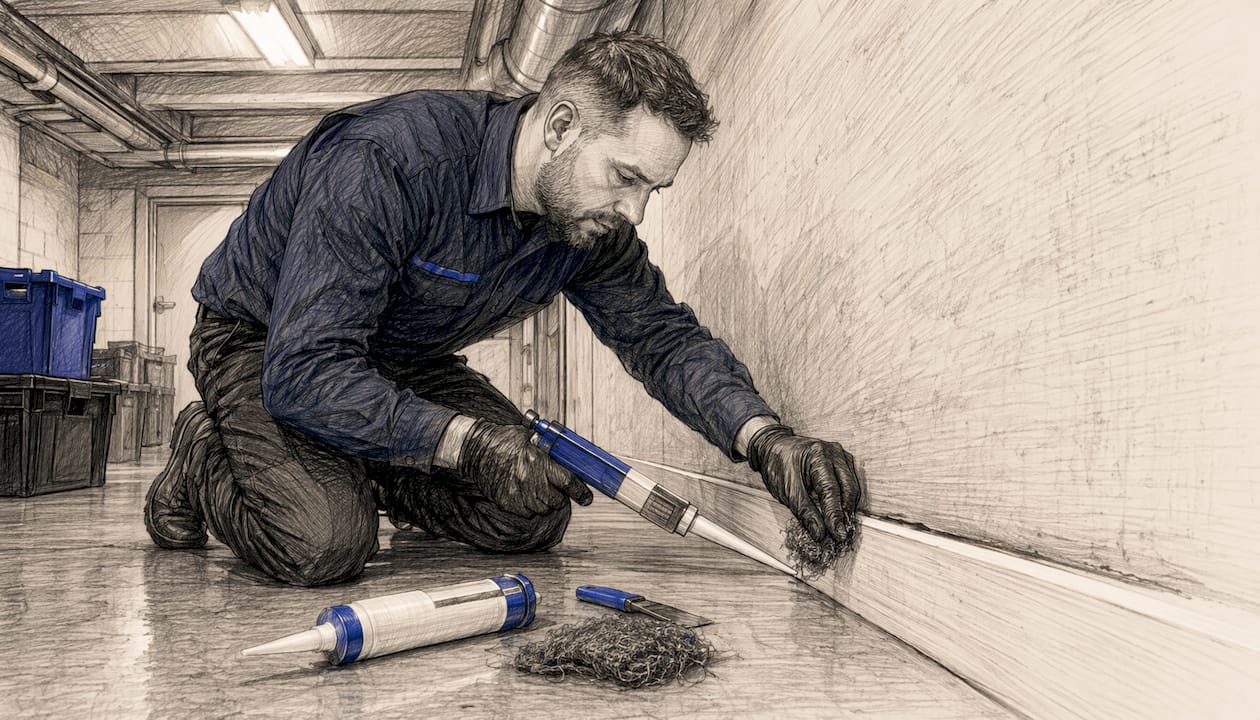
Structural gaps are the primary entry route for most household pests. A gap as small as 6mm can allow mice entry, making proofing the most effective long-term prevention measure. Recurring infestations almost always result from failures to address these physical entry points rather than from inadequate chemical treatment.
Environmental and behavioural factors compound the risk. Damp conditions attract silverfish and cockroaches, both of which thrive in humid kitchens and bathrooms. Clutter provides nesting material and shelter for rodents. Unsecured food waste draws rats, particularly in urban areas where refuse is dense. Properties with structural issues such as cracked brickwork, damaged roof tiles, or poorly fitted vents are especially vulnerable, as these create ready-made access points for birds and rodents alike.
| Pest | Preferred entry point | Favoured habitat |
|---|---|---|
| Mice | Gaps from 6mm around pipes and skirting | Wall cavities, under floorboards |
| Rats | Damaged drains, gaps around utility pipes | Basements, gardens, drainage runs |
| Cockroaches | Cracks in walls, gaps around plumbing | Warm kitchens, boiler cupboards |
| Bed bugs | Infested furniture, luggage, second-hand clothing | Mattresses, bed frames, soft furnishings |
| Pigeons | Open roof vents, broken soffits, flat roofs | Roof spaces, ledges, loft voids |
| Clothes moths | Open windows, infested second-hand textiles | Wardrobes, carpet edges, storage boxes |
Damp walls also create conditions that attract pests indirectly. Moisture in residential buildings weakens structural materials, widens existing gaps, and produces the humid microclimate that cockroaches and silverfish need to breed.
Pro Tip: Inspect the exterior of your property twice a year, in spring and autumn. Pay particular attention to where utility pipes enter the building, as these junctions are frequently left unsealed during installation.
What legal responsibilities do landlords and tenants have regarding pest infestations?
UK law places clear duties on both landlords and tenants when it comes to dealing with pest problems. Understanding these responsibilities helps you take the right steps and ensures the correct party bears the cost of treatment.
-
Landlord obligations under the Prevention of Damage by Pests Act 1949. Landlords must keep dwellings free from pests and potential entry points. This Act requires property owners to take reasonable steps to prevent and control rodent infestations on their land and in their buildings.
-
Environmental Protection Act 1990. Local authorities can issue abatement notices and enforce remedial actions when infestations constitute statutory nuisances. A statutory nuisance is any condition that unreasonably interferes with the use and enjoyment of a property or poses a risk to health.
-
Housing Health and Safety Rating System (HHSRS). The HHSRS gives local councils the power to inspect properties and order remediation when infestations pose a Category 1 health hazard. Landlords have legal duties to remediate infestations based on HHSRS inspections. Persistent infestations making homes unfit for habitation can lead to statutory nuisance rulings and enforced compliance.
-
Tenant responsibilities. Tenants must report pest problems to their landlord promptly and in writing. Tenants are generally responsible for infestations caused by their own behaviour, such as leaving food waste unsecured or failing to maintain cleanliness. However, structural infestations caused by the building’s condition remain the landlord’s responsibility.
-
Reporting and documentation. Reporting pest issues as service requests linked to housing standards prompts faster landlord responses and ensures action under legal frameworks. Tenants who document repairs related to pests obtain clearer action plans from landlords and housing authorities. Keep written records of all communications, including dates, photographs, and any professional assessments.
For landlords managing multiple properties, the HHSRS compliance obligations are best addressed through a scheduled maintenance programme rather than reactive treatment alone.
What are effective pest control methods for managing infestations?
Pest control is not about total eradication but managing an acceptable balance, with methods selected to minimise harm to health and the environment. Professional guidelines recommend balancing control effectiveness with environmental sensitivity. This means combining physical proofing, targeted treatments, and long-term prevention rather than relying on a single approach.
Immediate steps upon detection
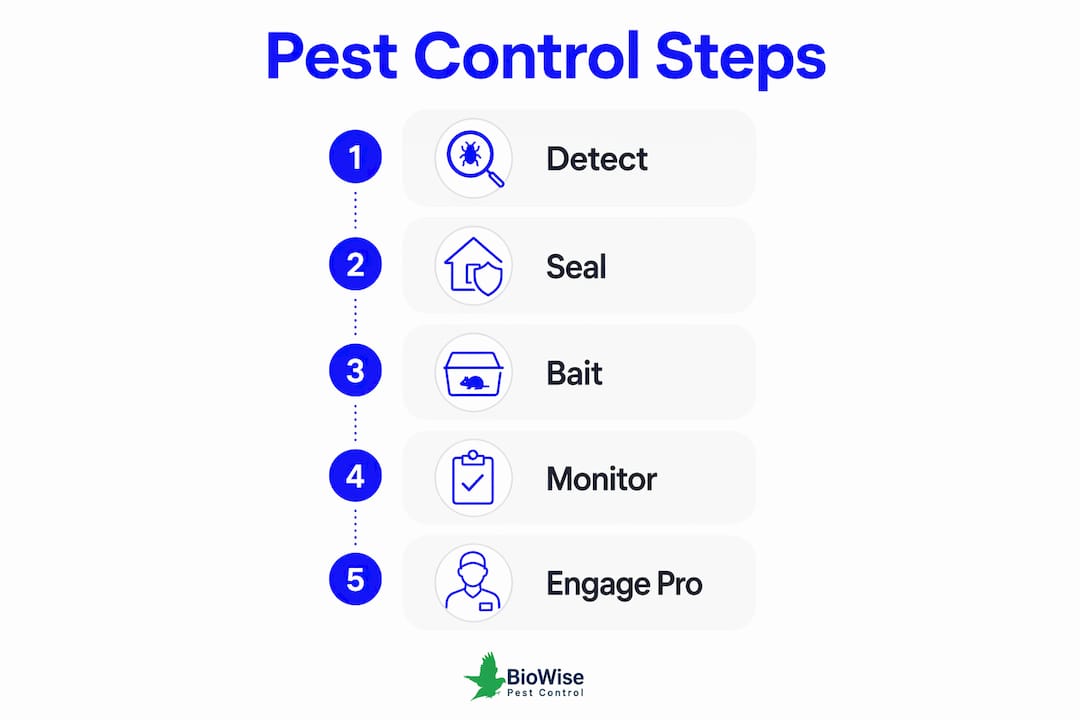
Act as soon as you identify infestation symptoms. Remove food sources by storing dry goods in sealed containers. Clear clutter that provides nesting material. Clean affected areas thoroughly to remove scent trails and pheromone signals that attract more pests.
Proofing and structural repairs
Sealing structural gaps smaller than 6mm is more sustainable than repeated chemical treatments alone. Use wire wool combined with a sealant around pipe junctions, and fit bristle strips to door frames. Replace damaged roof tiles and repair broken air bricks. Your pest-proofing checklist should cover every potential entry point identified during a property inspection.
Chemical and non-chemical treatments
Chemical treatments include rodenticide baits, residual insecticide sprays, and fumigation for severe infestations. Non-chemical methods include heat treatment for bed bugs, pheromone traps for clothes moths, and ultrasonic deterrents for rodents. Each method suits specific species and infestation levels, so matching the treatment to the pest is critical.
- Rodenticides. Effective for rats and mice but must be placed in tamper-resistant bait stations to protect children, pets, and non-target wildlife.
- Insecticide sprays. Used for cockroaches, fleas, and bed bugs. Residual formulations remain active on surfaces for several weeks.
- Heat treatment. Raises room temperature to levels lethal to bed bugs and their eggs without chemical residue.
- Pheromone traps. Monitor and reduce clothes moth populations without pesticides.
When to engage a professional
Contact a professional pest controller when a DIY approach has not resolved the problem within two weeks, when the infestation involves rodents or cockroaches, or when the property is a rental subject to HHSRS obligations. Integrating proofing repairs with targeted pest removal achieves long-term control more reliably than chemical treatment alone. Biowise Pest Control Maintenance Services has served over 600 London clients since 2010, providing both emergency treatments and scheduled maintenance programmes for residential and commercial properties.
Pro Tip: Always address the entry point before or alongside any chemical treatment. Treating the infestation without sealing the access route is the most common reason infestations return within weeks.
Key takeaways
A pest infestation requires early identification, structural proofing, and legally compliant action to resolve effectively and prevent recurrence.
| Point | Details |
|---|---|
| Definition matters | An infestation is defined by risk to health, property, or food safety, not just pest presence. |
| Early detection is critical | Signs like droppings, gnaw marks, and odours indicate an infestation before it escalates. |
| Gaps as small as 6mm allow entry | Sealing structural gaps is the most effective long-term prevention measure for rodents. |
| Legal duties are clear | Landlords must remediate structural infestations; tenants must report and document promptly. |
| Proofing outperforms chemicals alone | Combining structural repairs with targeted treatment delivers more reliable long-term control. |
Why I think most people tackle infestations the wrong way
The most common mistake I see is reaching for a can of spray before understanding where the pest is coming from. Chemical treatments feel decisive, but they address the symptom rather than the cause. A mouse that enters through a gap behind your kitchen plinth will be replaced by another within days if that gap remains open.
The second mistake is under-reporting. Tenants in particular are often reluctant to raise pest issues formally, either because they worry about blame or because they assume the problem will resolve itself. It rarely does. Documenting the issue in writing and framing it as a housing standards concern changes the dynamic entirely. Landlords respond faster when they understand the legal framework at stake.
The third thing worth saying is this: managing an infestation is not a single event. It is a process. The first treatment reduces the population. The proofing work prevents re-entry. The follow-up inspection confirms the result. Skipping any of these stages is why so many people find themselves dealing with the same problem six months later. Patience and thoroughness matter more than the strength of the product you use.
— Ana Hasula
Professional pest control support from Biowise Pest Control Maintenance Services
Dealing with a pest infestation at home requires more than a single treatment. Biowise Pest Control Maintenance Services offers expert domestic pest control across London, combining targeted treatments with structural proofing to address both the infestation and its cause.

The team has operated since 2010, serving over 600 London clients across residential and commercial properties. Services include emergency treatments, scheduled maintenance contracts, and eco-friendly pest control solutions that minimise chemical use without compromising results. Every treatment plan is tailored to the specific pest, property type, and level of infestation identified during an initial assessment. Contact Biowise Pest Control Maintenance Services for a professional assessment and a clear, costed plan of action.
FAQ
What is a pest infestation exactly?
A pest infestation is the presence of organisms such as rodents, insects, or birds at levels that threaten human health, property, or food safety. UK professional guidance requires active management when pests reach this threshold.
How do I know if I have a pest infestation?
Key infestation symptoms include droppings, gnaw marks, unusual noises at night, nests made from shredded material, and distinctive odours. Spotting any of these signs warrants immediate investigation.
What causes pest infestations in UK homes?
Structural gaps, damp conditions, unsecured food waste, and clutter are the primary causes. A gap as small as 6mm is sufficient for mice to enter a property.
Who is responsible for pest control in a rented property?
Landlords are responsible for infestations caused by structural defects under the Prevention of Damage by Pests Act 1949 and the HHSRS. Tenants are responsible for infestations caused by their own behaviour and must report problems promptly in writing.
When should I call a professional pest controller?
Contact a professional when DIY methods have not resolved the problem within two weeks, when rodents or cockroaches are involved, or when the property is subject to HHSRS compliance obligations.