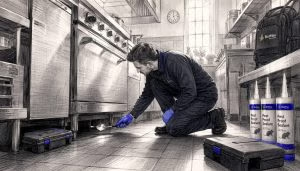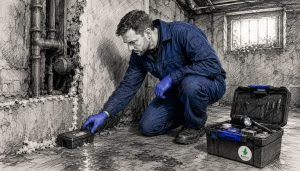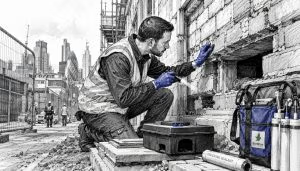


Pest prevention protects your health, your property, and your reputation — and it almost always costs less than dealing with an infestation after the fact. Professional pest management saves UK households and businesses a substantial amount annually, a figure that reflects the scale of damage, contamination, and disruption that goes unaddressed when prevention is skipped. The importance of pest management is not a niche concern for food businesses alone; it applies equally to offices, rental properties, and family homes across London and beyond.
Three core impacts explain why prevention-first thinking is the right approach:
- Health: Rodents, cockroaches, and flies transmit disease and contaminate food, surfaces, and air quality, creating direct risks to occupants and customers.
- Property: Rodents gnaw through electrical wiring, insulation, and structural timbers; wood-boring insects degrade load-bearing elements silently over months.
- Reputation and business continuity: A single pest sighting reported by a customer, or a failed food-safety audit, can close a business and generate lasting reputational damage that no emergency treatment can fully reverse.
Integrated Pest Management (IPM) is the recognised gold standard for addressing all three, prioritising proofing, hygiene, and monitoring over reactive chemical use.
Why pest prevention matters: the scale of the threat
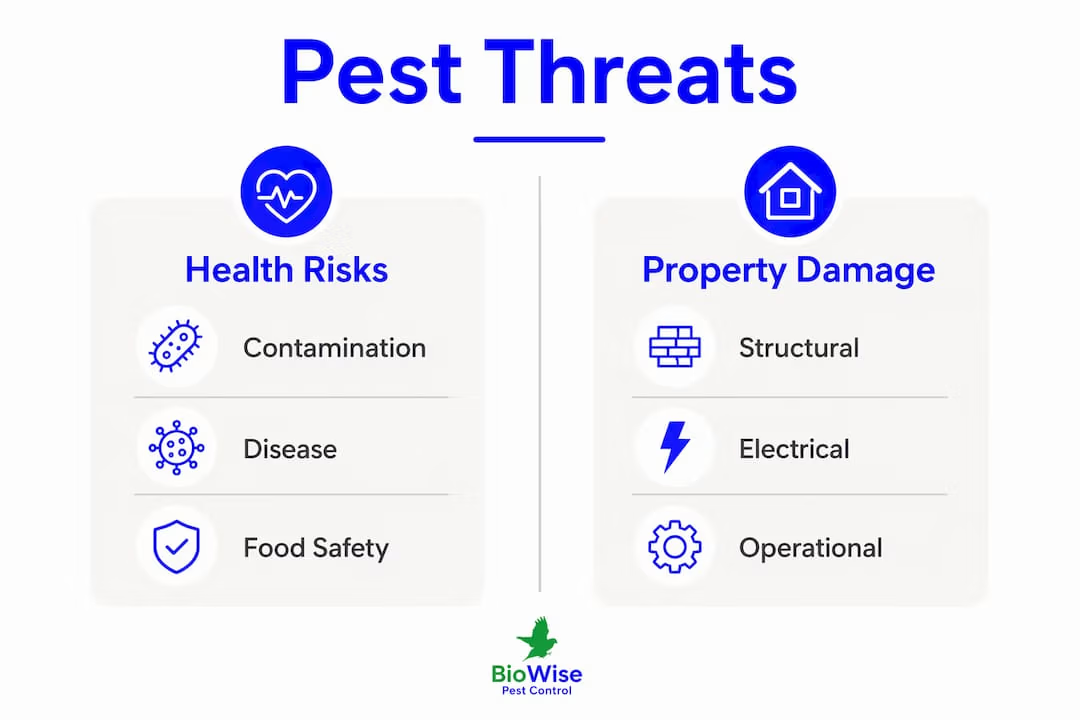
Pests cause harm across three distinct categories, and understanding each one makes the prevention case concrete rather than abstract.
Disease transmission and contamination sit at the top of the risk register. Rodents are vectors of serious illness, including Leptospirosis (Weil’s disease), Salmonella, and Hantavirus. Cockroaches carry bacteria on their bodies and in their droppings, contaminating food preparation surfaces and triggering asthma and allergic reactions, particularly in children. Flies transfer pathogens from waste to food in seconds.
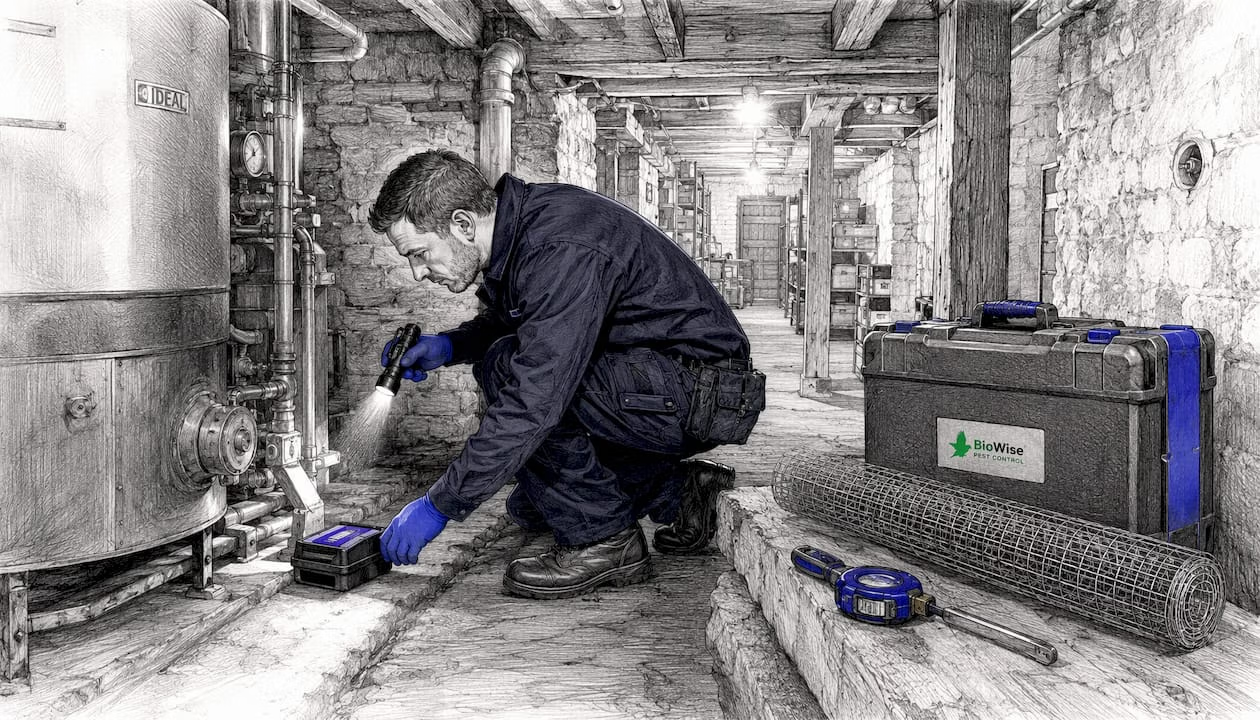
Structural and electrical damage is less visible but often more expensive. Rodents gnaw continuously because their incisors never stop growing; wiring, pipework, insulation, and even concrete are all targets. Rodent damage to wiring is a recognised cause of electrical fires, and pests can also block flues and gutters, creating hidden risks that only a maintenance inspection will catch.
Operational disruption and reputational risk are the consequences most business owners underestimate until they experience them. A pest sighting during service, a failed Environmental Health Officer visit, or a social media post from a customer can trigger closures, recalls, and lasting damage to brand trust.
| Threat category | Typical consequence | Cost indicator |
|---|---|---|
| Disease / contamination | Illness, food recall, enforcement | Fines, legal costs, stock loss |
| Structural / electrical damage | Fire risk, repair bills | — |
| Reputational / regulatory | Closure, lost revenue, audit failure | Ongoing revenue loss |
Critically, around 64% of pest management activity in the UK is reactive rather than preventative. That means most businesses and homeowners are already paying the higher price.
Common pests and the specific risks they bring
Knowing which pest you are dealing with determines how urgently you need to act and what kind of damage to expect.
Rodents (rats and mice) are the highest-risk urban pest in the UK. They contaminate food and surfaces with urine, droppings, and fur; gnaw through wiring, pipework, and structural materials; and breed rapidly, meaning a small problem becomes a serious infestation within weeks. Red flags include droppings along skirting boards, gnaw marks on cables or packaging, and a persistent musty odour. For London homeowners, rats attracted to urban waste are a year-round concern.
Cockroaches thrive in warm, humid environments — commercial kitchens, boiler rooms, and drainage systems. They are notoriously difficult to eradicate once established because they hide in wall voids and behind equipment during the day. Their droppings and shed skins are potent allergens, and they carry bacteria including E. coli and Salmonella. A single live sighting during a food-safety inspection is enough to trigger enforcement action.
Wasps present a direct health risk through stings, which can cause anaphylaxis in sensitive individuals. Nests in roof spaces or wall cavities are a structural concern as well; large nests can cause moisture damage and, if abandoned, attract other pests.
Wood-boring insects (including termites and woodworm) cause slow, cumulative structural damage that is often invisible until timbers are seriously compromised. In the UK, the house longhorn beetle and common furniture beetle are the most frequently encountered species. Signs include fine dust (frass) near timber, small exit holes, and weakened floorboards.
Ants are primarily a contamination risk in food settings. Pharaoh ants, common in hospitals and food businesses, are particularly problematic because they carry pathogens and are resistant to many standard treatments.
Bed bugs do not transmit disease directly but cause significant distress, sleep disruption, and reputational damage in hospitality settings. A single complaint from a hotel guest can generate dozens of negative reviews.
| Pest | Primary risk | Key red flag |
|---|---|---|
| Rodents | Contamination, fire, structural | Droppings, gnaw marks, odour |
| Cockroaches | Contamination, allergens | Live sighting, droppings, shed skins |
| Wasps | Sting risk, structural moisture | Active nest, high wasp traffic |
| Wood-boring insects | Structural decay | Frass, exit holes, soft timbers |
| Ants | Contamination (food settings) | Trails near food, nests in walls |
| Bed bugs | Reputation, distress | Bites, blood spots on bedding |
Why prevention beats reactive treatment every time
The financial case for prevention is straightforward. Where professional help is not sought or is delayed, businesses and individuals face significantly higher direct costs per case, depending on complexity. That figure does not include indirect costs: lost stock, temporary closure, emergency contractor call-out fees, or the management time consumed by an active infestation.
| Factor | Preventative approach | Reactive treatment |
|---|---|---|
| Upfront cost | Planned, predictable contract fee | Emergency call-out premium |
| Downtime | Minimal; work done out of hours | Potential closure during treatment |
| Contamination risk | Managed continuously | Elevated until treatment complete |
| Recurrence | Lower; root causes addressed | Higher without structural proofing |
| Compliance | Ongoing records support audits | Gaps in documentation |
| Additional cost risk | Minimal | — |
Reactive treatment also tends to address symptoms rather than causes. A rodent bait station placed after an infestation is found will reduce numbers, but without proofing the entry points, the problem returns. Prevention, by contrast, removes the conditions that allow pests to establish in the first place.
Pro Tip: A monthly pest management contract changes the business continuity equation entirely. Scheduled visits mean problems are caught at the monitoring stage, before stock is contaminated or an audit is failed. Emergency call-outs become rare rather than routine.
Practical prevention using an Integrated Pest Management framework
IPM is the approach recommended by the British Pest Control Association (BPCA) and adopted by accredited contractors across the UK. It prioritises non-chemical controls, proofing, and environmental modification over routine pesticide application, reducing chemical overuse, the risk of resistance, and environmental impact. Chemical controls are used only when monitoring confirms they are necessary and targeted.
A practical IPM programme for a home or business covers six areas:
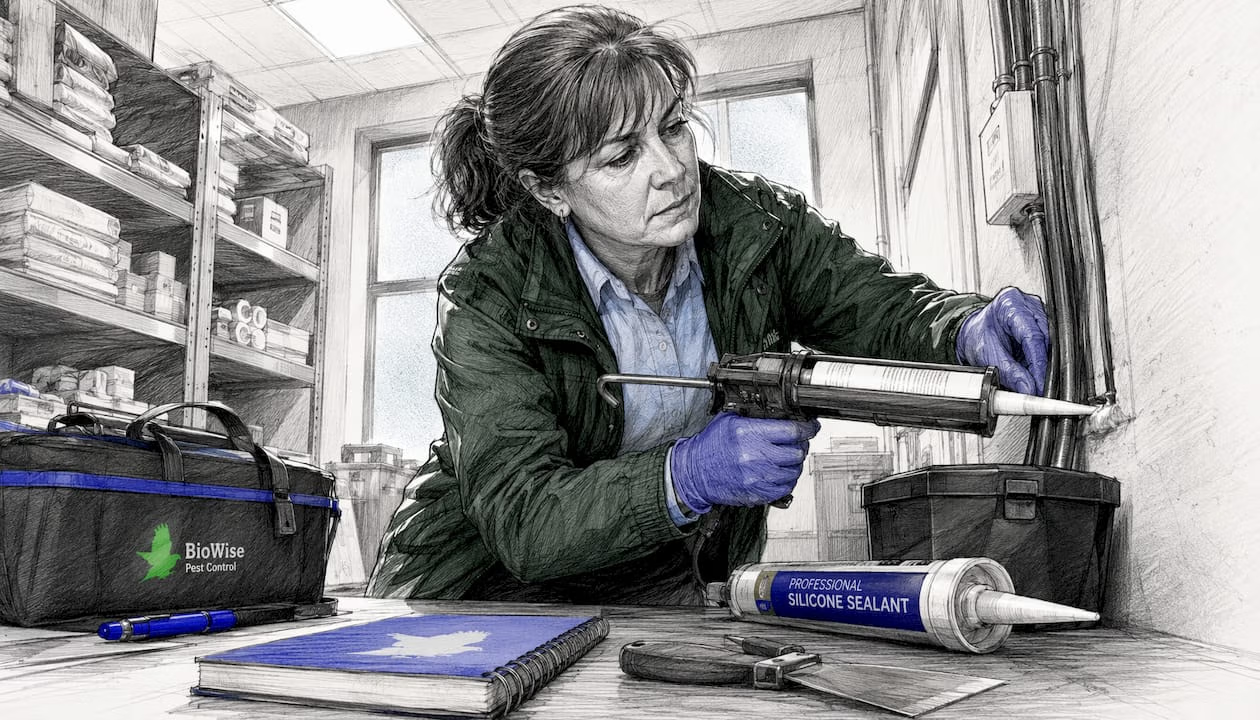
- Proofing: Seal gaps around pipes, cables, and vents with appropriate materials (wire wool, expanding foam, metal mesh). Fit door brushes and check that roof lines and eaves are intact.
- Hygiene management: Remove food residues promptly, store food in sealed containers, and clean behind and beneath appliances regularly. For businesses, regular cleaning is a direct pest deterrent.
- Waste management: Use lidded bins, empty them frequently, and keep external bin areas clean and away from building entrances.
- Moisture control: Fix leaking pipes and drains promptly; ensure adequate ventilation in roof spaces, basements, and crawl spaces.
- Habitat reduction: Clear clutter from storage areas, keep vegetation trimmed back from the building, and remove standing water.
- Monitoring and targeted control: Install monitoring devices (glue boards, pheromone traps, bait stations) at known risk points and inspect them on a schedule. Maintenance cycles and routine inspections are key to catching activity early and avoiding chemical overuse.
For businesses, site-specific measures matter. Deliveries should be inspected before entering storage; raw material storage areas should be elevated off the floor; and drainage systems should be checked regularly for rodent activity.
Pro Tip: Adjust monitoring frequency seasonally. Rodent pressure typically rises in autumn as temperatures drop; wasp activity peaks in late summer. Inspection records from each visit are not just good practice — they are evidence of due diligence that supports insurance claims and regulatory audits.
When should you call a professional pest controller?
DIY measures are a reasonable first line of defence for minor, isolated issues. They are not sufficient when any of the following apply:
- You have found evidence of rodents (droppings, gnaw marks, live sightings) anywhere near food storage, electrical plant, or structural timbers.
- An infestation has recurred after DIY treatment.
- You operate a food business, hotel, or any premises subject to Environmental Health inspection.
- Pests are nesting in roof spaces, wall cavities, or drainage systems.
- You have identified a wasp nest near occupied areas.
- A pest has been found in a critical infrastructure zone (server room, electrical panel, boiler room).
A professional inspection typically includes a site-specific pest risk assessment (SSPRA), which covers hard-to-reach areas such as ceiling voids, pipe junctions, and electrical plant rooms that a basic visual check will miss. The SSPRA identifies entry points, harbouring sites, and risk zones, and forms the basis of a treatment and prevention plan.
For a realistic sense of pest control costs in the UK, a one-off inspection and treatment typically varies by pest type, property size, and infestation severity. Ongoing maintenance contracts spread cost predictably and usually work out less expensive per visit than repeated one-off call-outs.
Three questions worth asking a technician before booking:
- Are you BPCA-accredited or RSPH-qualified, and can you provide documentation?
- Will you produce a written SSPRA and a follow-up report after each visit?
- What does your service include if the problem recurs between scheduled visits?
Pest prevention and UK business compliance
For commercial operators, pest prevention is not optional. Three pieces of legislation create direct legal obligations:
- The Health and Safety at Work Act 1974 requires employers to maintain a safe working environment, which includes managing pest risks to staff.
- The Food Safety Act 1990 and associated regulations require food businesses to prevent contamination; a pest infestation is a direct breach.
- The Prevention of Damage by Pests Act 1949 places a duty on occupiers to keep premises free from rats and mice and to notify the local authority of infestations.
Auditors — whether from the Food Standards Agency, a retail customer, or a third-party certification body — expect to see a current SSPRA, up-to-date monitoring logs, and a documented maintenance contract with an accredited pest control provider. Gaps in documentation are treated as gaps in compliance, regardless of whether an active infestation is present.
The business consequences of failure are severe. Environmental Health Officers can issue improvement notices, hygiene emergency prohibition orders, and fines. A forced closure, even for 48 hours, generates direct revenue loss and reputational damage that persists long after reopening. For hospitality businesses, a single low food hygiene rating published online can reduce bookings measurably.
Prevention, maintained through a documented contract with a BPCA-accredited contractor, is the most reliable way to demonstrate compliance and protect the business from enforcement action.
How a prevention-first maintenance cycle works in practice
A well-structured pest management programme follows a consistent cycle: inspect, proof, monitor, report, follow up. For a London restaurant or hotel, that typically means monthly visits from a qualified technician who checks all monitoring devices, inspects high-risk zones (kitchen, waste area, delivery bay, drainage), and produces a written report after each visit.
The report documents what was found, what action was taken, and what proofing or hygiene recommendations have been made. That paper trail is what auditors look for, and it is what protects a business if a pest-related complaint is made.
Biowise Pest Control Maintenance Services has been delivering this kind of structured prevention programme to London homes and businesses since 2010, working with restaurants, hotels, offices, housing associations, and property managers across the city. Monthly maintenance contracts are tailored to the specific risk profile of each site, and eco-conscious practices are integrated throughout, including non-chemical controls and targeted treatments that minimise environmental impact.
Your pest prevention checklist: steps to take today
Whether you manage a home or a commercial premises, these actions reduce pest risk immediately.
- Seal entry points — check gaps around pipes, cables, and vents; fit door brushes to external doors. Estimated effort: 1–3 hours; materials cost is low.
- Secure all food storage — move dry goods into sealed containers; remove cardboard packaging from storage areas. Effort: under an hour.
- Manage waste properly — use lidded bins, empty them daily in food settings, and keep external bin areas clean. Ongoing; no cost beyond existing resources.
- Fix moisture issues — repair dripping taps, leaking pipes, and blocked drains. Effort and cost vary; prioritise any leak near food or electrical areas.
- Clear clutter and harbouring sites — remove unused equipment, cardboard, and debris from storage areas and roof spaces. Effort: half a day.
- Schedule a professional inspection — book an SSPRA with a BPCA-accredited contractor, particularly if you have not had one in the past 12 months.
- Business owners: update your SSPRA — if your site-specific pest risk assessment is more than 12 months old, commission an update before your next audit.
- Set a maintenance contract review date — confirm your current contract covers all high-risk zones and that monitoring logs are up-to-date. If you do not have a contract, treat this as the trigger to get one.
The environmental impact of pests and prevention methods
Pests cause environmental harm beyond the immediate damage to a building or food supply. Rodents and invasive insects disrupt local ecosystems by competing with native species, predating ground-nesting birds, and spreading disease to wildlife. In urban environments, rat populations sustained by poor waste management create a persistent pressure on biodiversity.
Prevention methods carry their own environmental considerations. Broad-spectrum rodenticides, if used without care, can cause secondary poisoning in raptors and other predators that consume poisoned rodents. Over-reliance on DIY poisons also risks rodent resistance and accidental harm to non-target species. IPM addresses this directly: by prioritising proofing and environmental management, chemical use is reduced to targeted, necessary applications. Eco-friendly pest control solutions — including non-toxic monitoring, physical exclusion, and biological controls where appropriate — minimise the ecological footprint of pest management while maintaining effectiveness.
For businesses with sustainability commitments or ESG reporting requirements, a documented IPM programme with reduced chemical use is a credible, auditable contribution to environmental performance.
The long-term economic impact of pest infestations
The immediate costs of an infestation — treatment, stock loss, emergency call-outs — are visible and quantifiable. The longer-term economic consequences are less obvious but often more significant.
Property devaluation is a real risk. A documented history of rodent or wood-boring insect activity can reduce a property’s market value and complicate a sale or remortgage. Surveyors are required to note evidence of pest damage, and buyers or lenders may require remediation before proceeding. Structural damage from wood-boring insects, if left untreated, can render timbers unsafe and require expensive replacement rather than treatment.
Insurance implications are equally serious. Many commercial property policies include exclusions or reduced cover for damage caused by vermin if the policyholder cannot demonstrate reasonable preventative measures were in place. A maintenance contract with documented inspection records is the clearest evidence of those measures. Without it, a claim for rodent-related wiring damage or a fire attributed to gnawed cables may be disputed or rejected.
For businesses, the true cost of ignoring pest control extends to supply chain disruption, loss of supplier or retailer accreditation, and the compounding effect of a poor food hygiene rating on customer acquisition. These are costs that do not appear on a single invoice but accumulate over months and years.
Key takeaways
Pest prevention is the most cost-effective way to protect health, property, and business continuity — and the evidence from BPCA modelling confirms that professional pest management saves UK households and businesses an estimated £1.9bn a year.
| Point | Details |
|---|---|
| Prevention saves money | Delayed or absent professional intervention costs significantly more per case. |
| Most management is still reactive | Around 64% of UK pest management is reactive; switching to prevention reduces this cost burden. |
| IPM is the gold standard | Proofing, hygiene, and monitoring reduce chemical use and address root causes, not just symptoms. |
| Compliance depends on documentation | Businesses need a current SSPRA and maintenance records to satisfy auditors and protect insurance cover. |
| Biowise Pest Control Maintenance Services | Delivers structured monthly maintenance contracts for London homes and businesses, tailored to each site’s risk profile. |
Prevention is the decision most businesses make too late
The pattern we see repeatedly is this: a business invests in pest control only after something has gone wrong. A failed inspection, a customer complaint, a stock write-off. By that point, the cost is already higher than a year’s worth of prevention would have been, and the reputational damage is done.
What tends to get overlooked is that pest prevention is not a specialist concern — it is a basic operational discipline, in the same category as fire safety or food temperature monitoring. The businesses that handle it well do not think of it as pest control at all; they think of it as building management. Monthly inspections, documented records, proofing reviewed annually. That is the whole system, and it works.
The one thing I would push back on is the assumption that DIY measures are a reasonable substitute for professional monitoring in a commercial setting. They are not. A glue board placed by a facilities manager is not an SSPRA. It does not satisfy an auditor, it does not identify entry points in ceiling voids, and it does not produce the written record that protects you when something goes wrong. The gap between what DIY achieves and what compliance requires is wider than most operators realise until they are standing in front of an Environmental Health Officer.
For homeowners, the calculus is simpler: a single rodent in a kitchen costs more to deal with reactively than a year of prevention. Seal the gaps, manage the waste, and book an inspection if you see any sign of activity. Do not wait for confirmation.
Biowise Pest Control Maintenance Services: structured prevention for London properties
Spending on reactive pest treatment after an infestation is confirmed is the most expensive way to manage pest risk. Biowise Pest Control Maintenance Services offers a more reliable alternative: structured monthly maintenance contracts that keep London homes and businesses protected before problems develop, not after.

Since 2010, Biowise Pest Control Maintenance Services has worked with over 600 London clients — restaurants, hotels, offices, housing associations, and homeowners — delivering bespoke prevention programmes that combine SSPRA-based inspections, physical proofing, monitoring, and eco-conscious treatment methods. Every contract includes written reports after each visit, giving you the documented maintenance record that auditors, insurers, and Environmental Health Officers expect to see.
For hospitality operators, the contract pest control services Biowise provides are designed around the specific compliance pressures of food and accommodation businesses. For homeowners, domestic pest control covers everything from a one-off inspection to an ongoing prevention plan. Get in touch to arrange a site assessment and find out which service fits your property.
Useful sources
- BPCA: No Small Matter report — BPCA modelling on the economic value of professional pest management in the UK; source for the £1.9bn savings figure and the 64% reactive activity statistic.
- BPCA: Do I need pest control? — Plain-language overview of why professional pest control is necessary for homes and businesses, including structural and health risks.
- BPCA: Maintenance cycles for effective pest control — Guidance on routine inspection cycles, reporting, and the compliance rationale for scheduled maintenance.
- BPCA: Site-specific pest risk assessments — Explains what an SSPRA covers and why commercial auditors require one.
- Able Group: UK pest control guide — Practical overview for homeowners, landlords, and businesses covering disease risks and contamination.
- CDC: Rodent diseases — US public health authority documentation of diseases directly transmitted by rodents; relevant to the health risk section.
- IPM guide for businesses — Industry-level explanation of Integrated Pest Management principles and non-chemical controls.
- Biowise: Pest prevention for offices — Practical prevention measures and service options for commercial workplaces.
Note for business readers: Keep copies of your SSPRA, monitoring logs, and contractor visit reports on file. Auditors and insurers may request records going back 12–24 months; gaps in documentation are treated as gaps in compliance.
FAQ
What are the main reasons to control pests in a home or business?
Pest control protects health by preventing disease transmission and contamination, protects property from structural and electrical damage, and protects businesses from regulatory action and reputational harm. Professional pest management saves UK households and businesses a substantial amount annually.
What are five practical ways to prevent pests?
Seal gaps around pipes and cables, store food in sealed containers, use lidded bins and manage waste regularly, fix leaks and moisture sources promptly, and schedule routine inspections with a BPCA-accredited contractor. These five measures address the conditions that allow most common pests to establish.
Why does controlling the environment matter so much for pest prevention?
Pests need food, water, and shelter to survive. Removing or reducing these through hygiene management, moisture control, waste management, and physical proofing makes a property far less attractive to rodents, cockroaches, and other pests — reducing the need for chemical intervention.
What are the three core principles of Integrated Pest Management?
IPM is built on monitoring (identifying pest activity early), prevention (removing conditions that support pests through proofing and hygiene), and targeted control (applying chemical or physical treatments only when monitoring confirms they are necessary). It is the approach recommended by the BPCA and adopted by accredited contractors including Biowise Pest Control Maintenance Services.
When does a pest problem require a professional rather than DIY treatment?
Call a professional when you find evidence of rodents near food or wiring, when a problem has recurred after DIY treatment, when you operate a food business or any premises subject to inspection, or when pests are nesting in roof spaces, wall cavities, or drainage systems. A site-specific pest risk assessment from a qualified technician identifies risks that DIY measures cannot.