
Managing a London restaurant or hotel means protecting your reputation, ensuring guest safety, and meeting stringent health regulations. Pests threaten all three, contaminating food, spreading disease, and triggering negative reviews that damage your brand. Traditional chemical pest control raises sustainability concerns and potential health risks for staff and guests. This guide explores eco-friendly pest control strategies tailored for London hospitality venues, focusing on Integrated Pest Management (IPM) to achieve effective, sustainable pest prevention that supports compliance and enhances your establishment’s environmental credentials in 2026.
Table of Contents
- Understanding Eco-Friendly Pest Control And Integrated Pest Management
- Preparation: What You Need Before Implementing Eco-Friendly Pest Control
- Executing Eco-Friendly Pest Control In London Restaurants And Hotels
- Verifying Success And Ongoing Management Of Eco-Friendly Pest Control
- How Biowise Supports London Hospitality With Eco-Friendly Pest Control
- Frequently Asked Questions
Key takeaways
| Point | Details |
|---|---|
| IPM reduces pesticide use | Integrated Pest Management cuts pesticide use by up to 70% whilst maintaining effective control. |
| Long-term cost savings | Preventive IPM strategies deliver 15-25% cost reductions over three years compared to reactive treatments. |
| Inspection impact | Regular pest inspections lower health inspection failures by 40% in hospitality venues. |
| Prevention foundation | Proper waste management and sanitation practices form the cornerstone of effective pest prevention. |
| Regulatory alignment | UK pesticide reduction targets support eco-friendly pest control adoption in commercial settings. |
Understanding eco-friendly pest control and integrated pest management
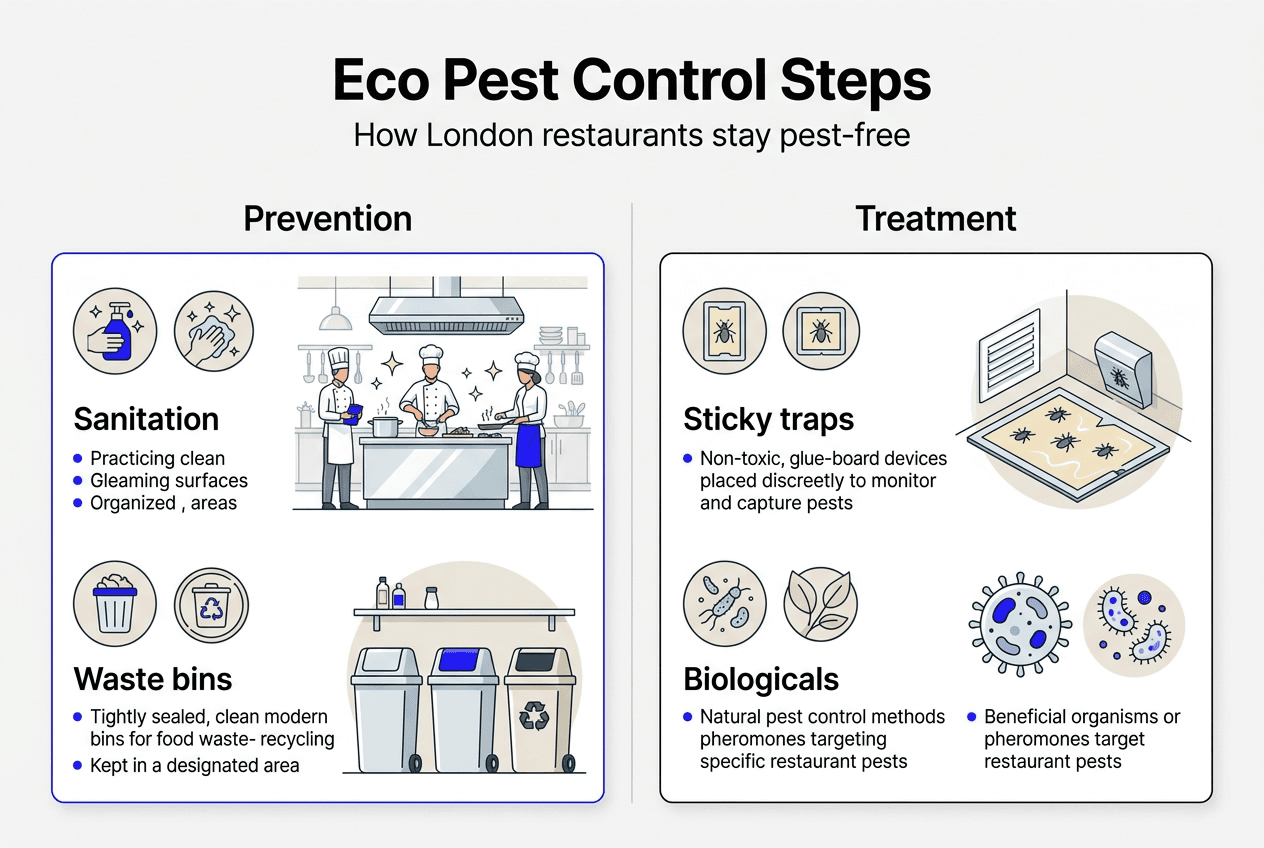
Integrated Pest Management (IPM) is a strategic, multi-faceted approach combining prevention, monitoring, and targeted interventions to create pest-free environments sustainably. Unlike conventional methods that rely heavily on chemical pesticides, IPM prioritises understanding pest behaviour and environmental factors. This holistic strategy addresses root causes rather than simply reacting to infestations, making it ideal for London restaurants and hotels where food safety and guest wellbeing are paramount.
IPM comprises five core components that work together. Prevention through sanitation and waste management removes food sources and breeding sites. Monitoring with traps and regular inspections detects pest activity early before populations explode. Physical exclusion seals entry points to block pest access. Accurate pest identification distinguishes harmful species requiring intervention from harmless ones. Targeted control applies the least toxic, most effective treatment only when necessary, reserving chemical options as a last resort.
Many hospitality managers mistakenly believe eco-friendly pest control lacks the power to handle serious infestations. Research proves otherwise. IPM focuses on understanding pest behaviour and their environment to manage damage economically with minimal hazards. Studies demonstrate IPM achieves equal or superior results compared to chemical-intensive approaches whilst dramatically reducing environmental impact and health risks.
For London establishments, IPM offers practical advantages beyond sustainability. Your kitchen staff work in healthier environments with reduced chemical exposure. Guests appreciate visible commitment to environmental responsibility. Regulatory compliance becomes easier as UK policy increasingly favours pesticide reduction. IPM also protects your reputation by preventing the pest sightings that trigger damaging social media posts and review site complaints.
Pro Tip: Start by identifying the three most common pests in your specific venue type. Restaurants typically battle cockroaches, rodents, and flies, whilst hotels often face bed bugs, ants, and occasional rodent issues. Tailoring your IPM programme to your actual pest pressures maximises effectiveness and minimises wasted effort on irrelevant threats.
Preparation: what you need before implementing eco-friendly pest control
Successful eco-friendly pest control begins with thorough preparation. Conduct an initial site survey to identify current pest activity, potential entry points, and environmental conditions attracting pests. Walk through every area including kitchens, storage rooms, waste disposal zones, and guest areas. Document findings with photos and notes to establish your baseline and measure future progress. This assessment reveals where to focus prevention efforts for maximum impact.
Your IPM toolkit requires specific materials and equipment. Monitoring devices include sticky traps, pheromone traps, and bait stations for early detection. Pest identification guides help staff recognise common species and distinguish between harmful pests and harmless insects. Sanitation supplies such as commercial-grade cleaners, waste bins with tight-fitting lids, and door sweeps support prevention. Digital tools like inspection checklists and pest activity logs maintain documentation required for health compliance.
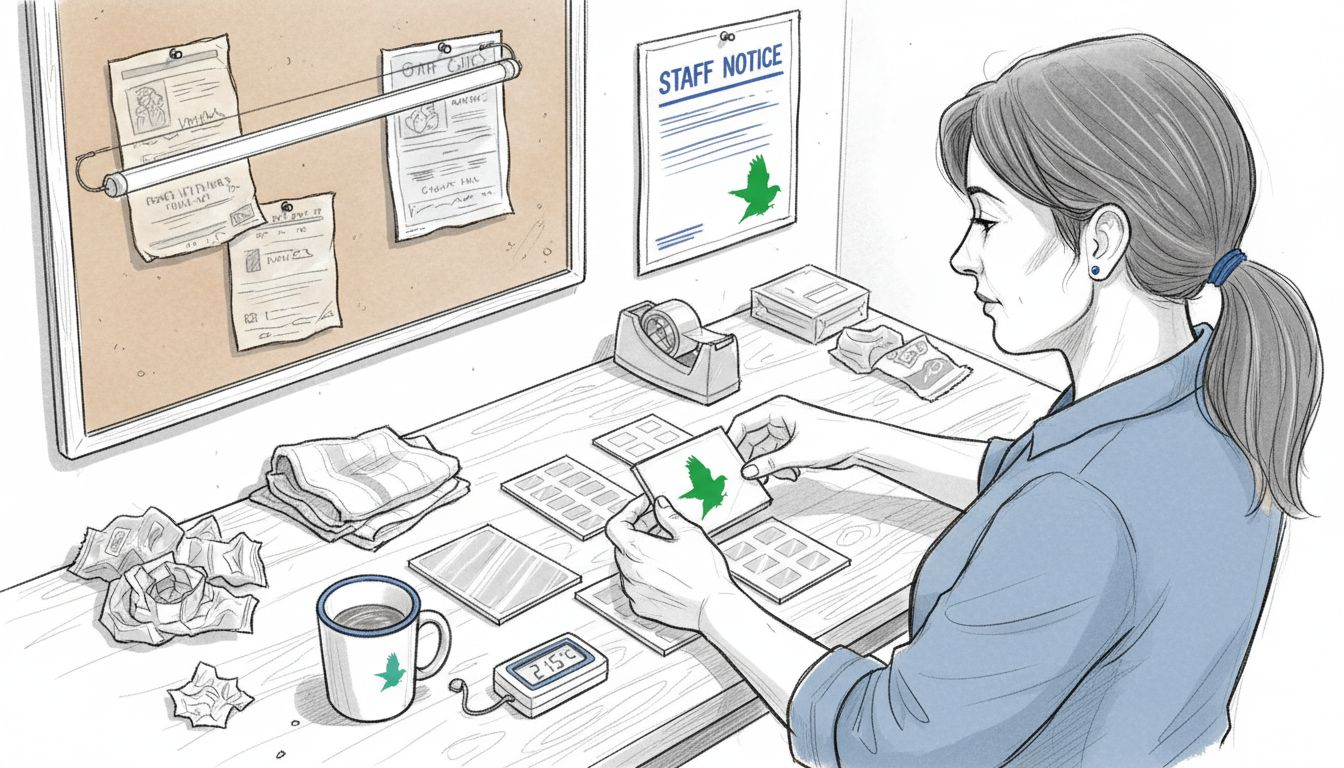
Staff training forms the foundation of effective IPM implementation. Every team member must understand their role in pest prevention, from kitchen staff maintaining spotless food prep areas to housekeepers inspecting rooms for signs of bed bugs. Regular inspections and monitoring are essential for early detection and prevention of pest problems. Create documented procedures covering daily cleaning protocols, proper food storage, waste management, and reporting procedures when staff spot pest activity.
Waste management deserves special attention because poor waste practices raise rodent and fly infestations by 30%. Implement strict protocols requiring sealed bins, daily waste removal, and clean refuse areas. Position bins away from building entrances on impermeable surfaces that can be cleaned easily. Schedule waste collection frequently enough to prevent overflow and odours that attract pests from across your neighbourhood.
Establish a monitoring schedule aligned with your pest risk level. High-risk areas like kitchens and food storage require weekly inspections. Moderate-risk zones such as dining areas and back-of-house spaces need fortnightly checks. Guest rooms and low-risk areas can follow monthly schedules. Document every inspection with date, location, findings, and actions taken to create the audit trail regulators expect.
| Preparation element | Purpose | Frequency |
|---|---|---|
| Site survey | Identify pest activity and entry points | Initial, then quarterly |
| Staff training | Ensure team understands prevention protocols | Initial, then annual refreshers |
| Monitoring equipment | Detect pest presence early | Check weekly in high-risk areas |
| Waste management audit | Verify proper handling and storage | Weekly |
| Documentation review | Maintain compliance records | Monthly |
Pro Tip: Designate a pest management coordinator within your team who oversees the IPM programme, liaises with professional pest control providers, and ensures consistent implementation. This single point of accountability prevents the programme from falling through cracks during busy periods.
Executing eco-friendly pest control in London restaurants and hotels
Implementing IPM follows a systematic approach that builds layers of protection. Start with physical exclusion to deny pests entry to your establishment. Inspect your building’s exterior for gaps around pipes, damaged weather stripping, cracks in foundations, and openings around utility lines. Seal these entry points with appropriate materials like steel wool for rodent-prone areas, caulk for small cracks, and door sweeps for gaps under doors. Install air curtains at frequently used entrances to create barriers that flying insects cannot penetrate.
Next, enhance sanitation and waste protocols to eliminate the food, water, and shelter that attract pests. Kitchen staff must clean spills immediately, store food in sealed containers, and never leave dirty dishes overnight. Understanding integrated pest management reveals that removing attractants prevents 60% of potential pest problems before they start. Empty bins multiple times daily during peak service, clean them weekly with disinfectant, and repair any damaged containers immediately. Fix leaking taps and pipes promptly since water sources attract cockroaches and rodents.
Deploy monitoring traps and conduct regular inspections to detect pest activity at the earliest possible stage. Position sticky traps along walls where rodents travel, under sinks where cockroaches hide, and near waste areas where flies congregate. Check traps during every inspection, recording what you find and where. Early detection allows intervention before a few pests become a full infestation, and IPM reduces pesticide use by up to 70% whilst maintaining effective control through this proactive approach.
When monitoring reveals pest presence, apply targeted biological or low-impact treatments specific to the identified pest. Bait stations with enclosed designs protect non-target species whilst controlling rodents. Insect growth regulators disrupt pest reproduction without broad-spectrum toxicity. Botanical insecticides derived from plants like pyrethrum offer effective control with rapid breakdown that minimises environmental persistence. Reserve conventional pesticides for severe infestations where other methods prove insufficient, and always apply them according to label directions in the smallest effective quantities.
Document every aspect of your IPM programme to refine your approach and demonstrate compliance. Record inspection findings, pest sightings, treatments applied, and results achieved. This data reveals patterns like seasonal pest pressures or problem areas requiring additional attention. IPM prevents pest-related food contamination incidents by up to 75% when implemented consistently with proper documentation supporting continuous improvement.
| Approach | Pesticide use | Prevention focus | Long-term cost | Environmental impact |
|---|---|---|---|---|
| Conventional | High, routine applications | Low, reactive treatments | Higher, repeated treatments | Significant chemical residues |
| IPM | Minimal, targeted only | High, proactive prevention | Lower, fewer interventions | Minimal, sustainable methods |
Pro Tip: Schedule IPM activities during your establishment’s quietest periods to minimise disruption. Conduct thorough inspections and any necessary treatments during closure days or overnight when guests and diners are absent, ensuring your pest control efforts remain invisible to customers.
Verifying success and ongoing management of eco-friendly pest control
Measuring IPM effectiveness requires ongoing monitoring and data analysis. Review trap catches weekly to identify trends in pest activity. Declining numbers indicate your prevention measures work effectively. Stable or increasing catches signal the need to investigate and address underlying causes. Compare current data against your baseline assessment to quantify improvement and justify continued investment in eco-friendly methods.
Watch for common implementation challenges that undermine IPM success. Missed exclusion points allow continued pest entry despite other efforts. Inconsistent sanitation creates opportunities for pest establishment when staff skip cleaning protocols during busy periods. Inadequate staff buy-in leads to poor reporting and missed early warning signs. Regular pest inspections reduce health inspection failures by 40%, but only when conducted thoroughly and consistently according to your established schedule.
Adjust your pest management plan based on inspection findings and seasonal patterns. London’s pest pressures shift throughout the year, with rodents seeking indoor shelter during autumn and winter whilst flies peak during summer months. Modify monitoring intensity and prevention focus to match these predictable cycles. If specific areas repeatedly show pest activity, investigate whether structural issues, equipment problems, or procedural gaps require correction beyond standard IPM measures.
Professional partnerships enhance IPM effectiveness for busy hospitality venues. Pest control experts bring specialised knowledge of London’s pest species, access to professional-grade monitoring equipment, and objective assessment of your programme’s performance. IPM strategies lead to 15-25% reduction in pest control costs over three years when supported by regular professional maintenance contracts that combine your daily prevention efforts with expert quarterly or monthly services.
Financial and compliance advantages accumulate over time with sustained eco-friendly practices. Reduced chemical purchases and fewer emergency treatments lower direct pest control costs. Preventing pest-related health violations avoids fines and temporary closure orders that devastate revenue. Enhanced reputation from visible sustainability commitment attracts environmentally conscious guests and corporate clients. Insurance premiums may decrease when you demonstrate proactive risk management through documented IPM programmes.
- Maintain detailed pest activity logs accessible during health inspections
- Review and update IPM procedures annually based on performance data
- Train new staff on pest prevention protocols during onboarding
- Schedule professional pest control audits quarterly to verify programme effectiveness
- Celebrate successes with your team to maintain engagement and commitment
Successful IPM requires viewing pest control as an ongoing process rather than a one-time fix. The most effective programmes integrate prevention into daily operations until it becomes second nature for every team member.
Pro Tip: Create a simple monthly scorecard tracking key metrics like trap catches, sanitation audit scores, and pest sighting reports. Share results with your team to build accountability and recognise improvements, transforming pest prevention from a chore into a source of professional pride.
How BioWise supports London hospitality with eco-friendly pest control
Navigating eco-friendly pest control whilst managing a busy London restaurant or hotel requires expertise and consistent attention. BioWise specialises in tailored pest management solutions designed specifically for hospitality venues across London. Our approach aligns perfectly with IPM principles, emphasising prevention, monitoring, and minimal chemical use to protect your guests, staff, and reputation.
Our services include comprehensive site assessments, customised monitoring programmes, staff training, and flexible maintenance contracts that fit your operational needs. Whether you operate in Chelsea or elsewhere across London, our experienced technicians understand the unique pest pressures facing hospitality establishments. We help you achieve regulatory compliance whilst supporting your sustainability goals and London’s pesticide reduction targets. Choosing BioWise means partnering with pest control professionals who protect what matters most: your guests’ safety and your establishment’s reputation.
Frequently asked questions
What is the most eco-friendly method of pest control for restaurants?
Integrated Pest Management (IPM) represents the most eco-friendly approach for restaurant pest control. IPM combines prevention through sanitation and exclusion with monitoring and targeted treatments, minimising pesticide use whilst maintaining effective control. This strategy reduces chemical exposure for staff and guests whilst supporting sustainability goals.
How often should pest inspections be conducted in hospitality venues?
Monthly pest inspections are recommended as a minimum for hospitality venues, with high-risk areas like kitchens requiring weekly checks. Regular monitoring enables early detection before small pest problems become major infestations. Frequent inspections also demonstrate due diligence during health authority audits.
Can eco-friendly pest control reduce long-term costs for hotels?
Yes, IPM delivers 15-25% cost reductions over three years compared to conventional reactive pest control. Preventing infestations proves far less expensive than treating established pest populations. Reduced chemical purchases, fewer emergency callouts, and avoided health violations contribute to substantial long-term savings.
Are eco-friendly pest control methods compliant with UK health regulations?
IPM and eco-friendly methods fully comply with UK health regulations for restaurants and hotels. These approaches often exceed minimum standards by emphasising prevention and documentation. Health authorities increasingly favour IPM because it reduces chemical risks whilst maintaining effective pest control and supporting public health objectives.