
The threat of bed bug infestations is an all-too-real concern for hotel and restaurant managers in London. With these tiny insects capable of causing intense guest discomfort and reputational harm, even the most spotless venues are at risk due to their remarkable ability to hitchhike on luggage and clothing. This article offers authoritative guidance tailored to British hospitality businesses, helping you address the complex challenge of bed bugs with proven prevention, detection, and legal compliance strategies.
Table of Contents
- What Bed Bug Infestation Really Means
- How Bed Bugs Spread in Hospitality Venues
- Key Signs and Detection Methods for Bed Bugs
- Risks to Guest Safety and Business Reputation
- Effective Treatment and Legal Compliance for Hotels
Key Takeaways
| Point | Details |
|---|---|
| Bed Bug Infestations Are Complex Challenges | They can significantly affect guest experiences, business reputation, and operations, requiring specialised management strategies. |
| Proactive Prevention Is Essential | Regular professional inspections and staff training on early detection can minimise infestation risks. |
| Guest Psychological Impact Is Significant | Infestations can lead to stress and discomfort, impacting customer trust and loyalty. |
| Legal Compliance Is Mandatory | Comprehensive treatment protocols must adhere to regulations and ensure guest safety while eradicating pests. |
What Bed Bug Infestation Really Means
Bed bug infestations represent far more than just an inconvenient pest problem for London hospitality businesses. These tiny parasitic insects pose complex challenges that can significantly impact guest experiences, reputation, and operational effectiveness. Parasitic insects feeding on human blood create profound implications beyond simple discomfort.
These minuscule creatures are remarkably resilient and strategic in their survival tactics. Bed bugs are small nocturnal insects capable of hiding in microscopic spaces within mattresses, furniture, and luggage. Their ability to reproduce rapidly and remain undetected makes them particularly dangerous for hotels, restaurants, and commercial spaces where human traffic is constant.
The potential consequences of a bed bug infestation extend well beyond physical irritation. They can trigger significant psychological distress for guests and potentially devastating reputational damage for hospitality businesses. Key implications include:
- Immediate guest complaints and potential compensation claims
- Rapid spread through interconnected rooms and building structures
- Potential loss of customer trust and negative online reviews
- Substantial financial costs for comprehensive professional treatment
- Mandatory temporary room or facility closures during treatment
Worldwide distribution of bed bugs means no establishment is automatically immune. Even meticulously maintained facilities can unexpectedly encounter these persistent insects, making proactive prevention and swift professional intervention crucial.
Bed bug infestations are not a reflection of cleanliness, but a complex challenge requiring specialised management strategies.
Professional pest control isn’t just about elimination – it’s about comprehensive risk management. Understanding bed bug behaviour, implementing preventative measures, and developing rapid response protocols are essential for London hospitality businesses seeking to protect their reputation and guest experiences.
Pro tip: Conduct monthly professional inspections and train staff to recognise early bed bug warning signs to minimise potential infestation risks.
Here’s a comparison of the main challenges and business impacts of bed bug infestations in the hospitality sector:
| Challenge | Immediate Impact | Long-term Consequence |
|---|---|---|
| Rapid spread in buildings | Difficult isolation | Repeated infestations likely |
| Guest psychological distress | Poor guest experience | Decline in returning customers |
| Negative online publicity | Booking cancellations | Reduced overall occupancy rates |
| Expensive remediation measures | High urgent costs | Increased insurance premiums |
| Mandatory closures for treatment | Lost revenue | Damaged operational reliability |
How Bed Bugs Spread in Hospitality Venues
Bed bug transmission in London’s hospitality sector represents a complex and challenging problem that demands strategic understanding. Bed bugs are exceptional hitchhikers capable of moving rapidly between different environments through human transportation networks, making hotels and restaurants particularly vulnerable to infestation risks.
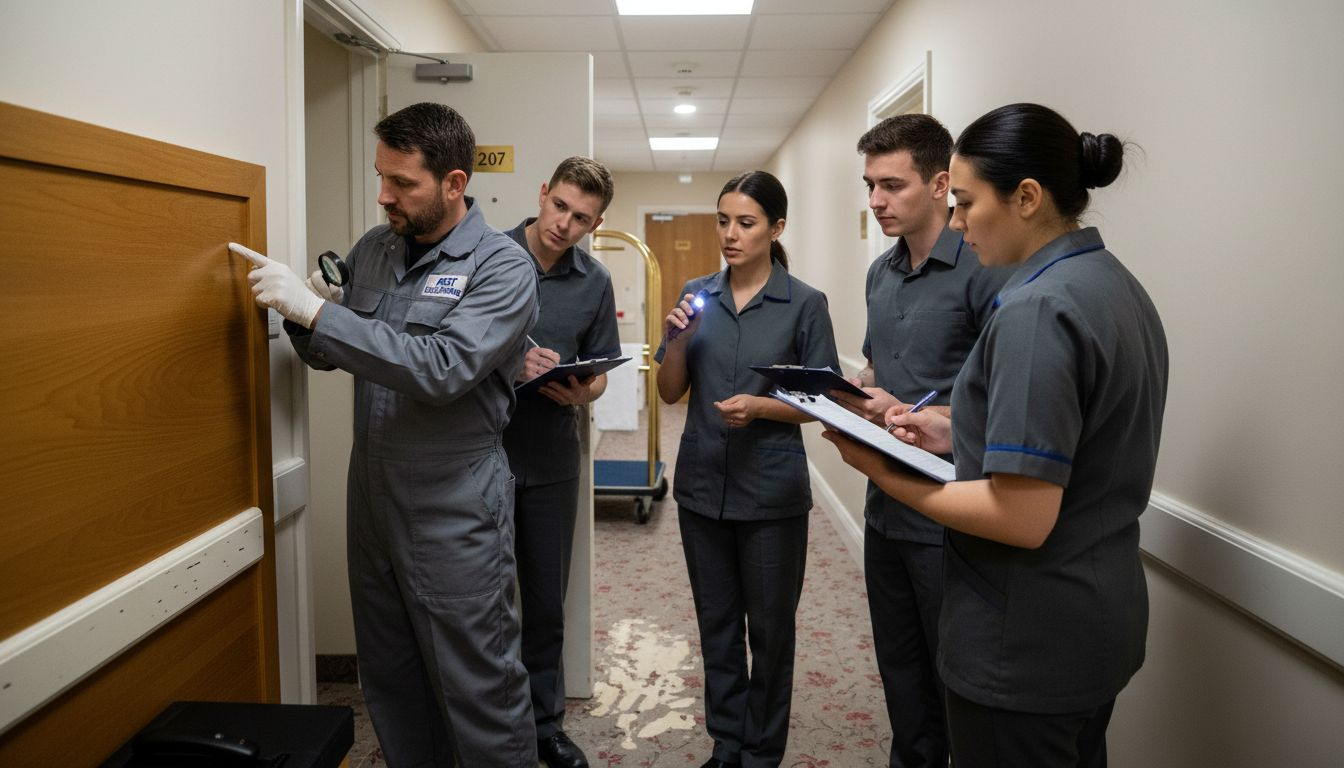
The primary mechanisms of bed bug spread in hospitality venues are remarkably sophisticated. Luggage transportation serves as the most common vector, with guests unknowingly carrying these persistent insects across rooms, floors, and even between different establishments. Bed bugs can easily nestle into fabric seams, baggage linings, and personal belongings, creating invisible pathways for widespread distribution.
Multiple transmission routes exist within hospitality environments, creating intricate challenges for management:
- Guest luggage and personal belongings
- Used furniture and second-hand equipment
- Interconnected building structures with shared walls and ventilation
- Staff clothing and work equipment
- Shared laundry facilities and cleaning equipment
Proactive policies for bed bug management are crucial for preventing widespread infestations. Understanding these transmission mechanisms allows hospitality businesses to develop comprehensive prevention strategies that minimise risk and protect their reputation.
Effective bed bug management requires a multi-layered approach focusing on prevention, detection, and rapid intervention.
Professional staff training becomes paramount in recognising early signs of potential bed bug spread. Employees must be equipped with knowledge about inspection techniques, reporting protocols, and immediate containment measures to interrupt potential transmission cycles.
Pro tip: Implement a mandatory room inspection protocol after each guest checkout, focusing on mattress seams, headboards, and luggage storage areas to catch potential bed bug indicators early.
Key Signs and Detection Methods for Bed Bugs
Detecting bed bug infestations requires a meticulous and systematic approach that goes beyond casual observation. Comprehensive bed bug identification involves understanding their subtle yet distinctive signs that can manifest across various surfaces and environments in hospitality venues.
The physical evidence of bed bug presence encompasses multiple tell-tale indicators that trained professionals and vigilant staff can recognise. Visual detection methods involve carefully examining specific areas where these insects typically congregate, including mattress seams, furniture joints, headboard crevices, and electrical outlets. Bed bugs leave behind a constellation of forensic clues that reveal their presence even when the insects themselves remain hidden.
Key signs of bed bug infestation include:
- Small rust-coloured blood spots on bedding
- Pale yellow eggs or discarded eggshells
- Dark faecal spots resembling marker stains
- Live insects measuring approximately 4-5 millimetres
- Distinctive sweet musty odour in affected areas
- Clustered bite marks on exposed skin
- Shed insect exoskeletons around sleeping areas
Integrated Pest Management techniques recommend combining multiple detection strategies to ensure comprehensive identification. Professional inspectors typically employ specialised tools such as high-powered torches, magnifying glasses, and sometimes even trained detection dogs to uncover potential infestations.
Effective bed bug detection requires a systematic, multi-sensory approach that goes beyond superficial examination.
Hospitality managers must train staff to conduct thorough room inspections, understanding that early detection can prevent widespread infestation and minimise potential reputational damage. Recognising subtle signs requires patience, attention to detail, and a structured approach to room examination.
Pro tip: Implement a standardised room inspection checklist that guides staff through a systematic examination of potential bed bug hiding locations, ensuring no critical area is overlooked during routine checks.
Below is a summary of detection techniques and their strengths for hospitality teams:
| Detection Method | Main Strength | Preferred Usage Location |
|---|---|---|
| Visual inspection | Immediate, non-technical identification | Mattresses, headboards, furniture |
| Use of detection dogs | Finds hidden infestations efficiently | Large rooms, complex layouts |
| Monitoring devices | Ongoing early warning | Guest rooms, communal areas |
| UV torch examination | Highlights eggs and marks | Hard-to-see seams and corners |
Risks to Guest Safety and Business Reputation
Bed bug infestations represent a multifaceted threat that extends far beyond simple pest control, impacting both guest experience and organisational reputation. Public health implications of bed bugs encompass complex physical and psychological dimensions that can devastate hospitality businesses if not carefully managed.
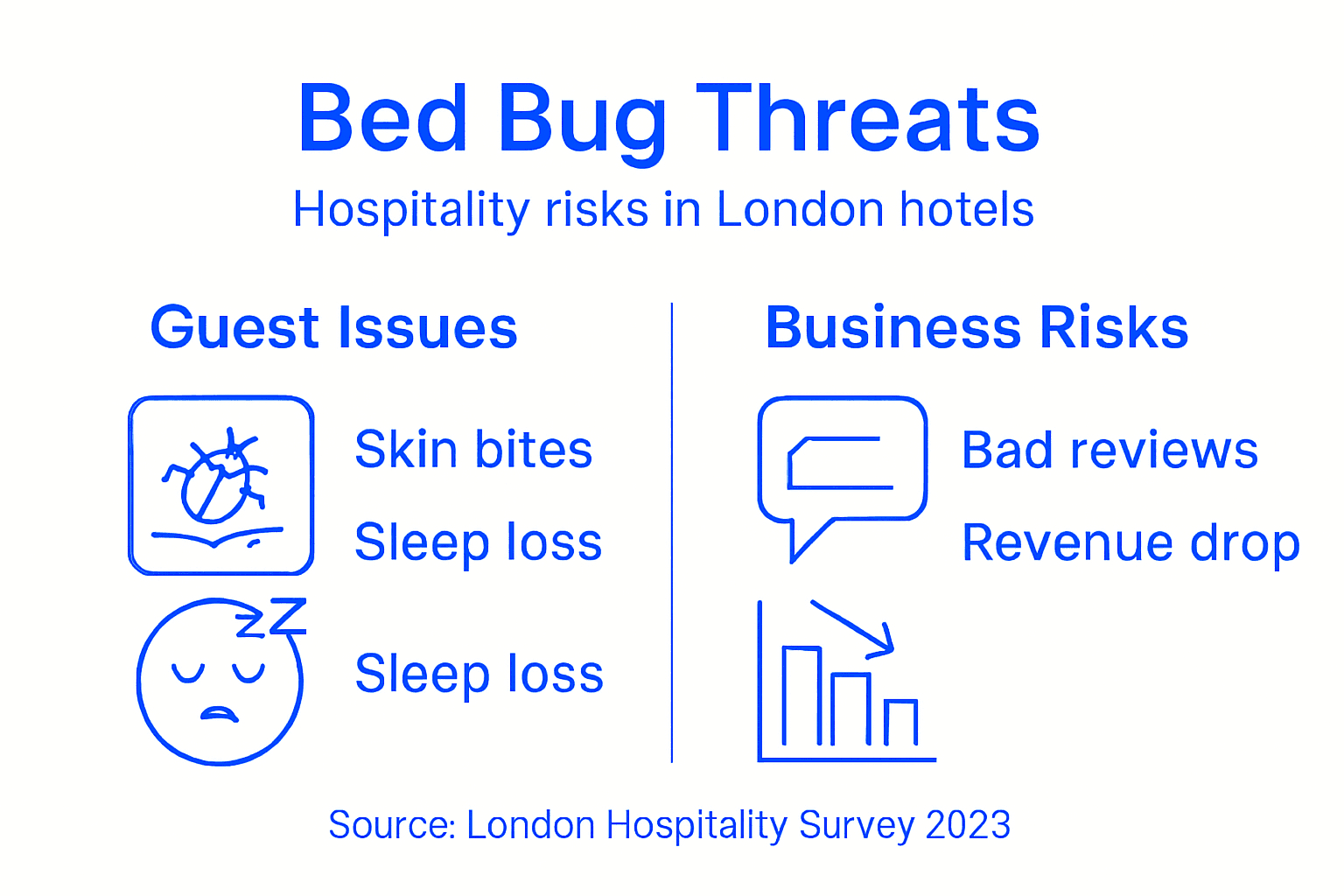
The immediate physical risks to guests include potential skin irritations, allergic reactions, and significant psychological distress. Guest health concerns emerge primarily through painful, clustered bite marks that can cause intense itching, inflammation, and potential secondary skin infections. Some guests may experience more severe reactions, including anxiety, sleep disruption, and heightened stress levels triggered by the mere possibility of bed bug exposure.
The reputational risks for hospitality venues are substantial and potentially catastrophic:
- Immediate negative online reviews
- Rapid spread of negative word-of-mouth
- Potential social media backlash
- Significant decline in booking rates
- Potential legal liability for guest discomfort
- Expensive professional remediation costs
- Long-term brand reputation damage
Beyond physical discomfort, bed bug incidents can trigger profound psychological impacts that extend well beyond the immediate encounter. Guests may develop lingering anxiety about potential infestations, leading to lasting reputational damage that can take years to overcome.
A single unaddressed bed bug incident can destroy years of carefully built hospitality reputation.
Professional risk management demands a proactive, transparent approach that prioritises guest safety, swift communication, and comprehensive prevention strategies. Hospitality managers must view bed bug management as a critical component of guest experience and organisational integrity.
Pro tip: Develop a comprehensive incident response protocol that includes immediate guest relocation, complimentary compensation, and transparent communication to mitigate potential reputational damage.
Effective Treatment and Legal Compliance for Hotels
Navigating bed bug treatment for London hospitality venues requires a sophisticated, legally compliant approach that balances scientific precision with regulatory requirements. Comprehensive bed bug treatment protocols demand meticulous planning, professional expertise, and strict adherence to health and safety standards.
The treatment process involves multiple strategic interventions that go far beyond simple pesticide application. Legal compliance frameworks mandate hotels implement systematic approaches that protect guest safety while ensuring thorough pest eradication. This involves detailed documentation, professional-grade treatments, and transparent communication protocols that meet both health regulations and guest expectations.
Critical treatment and legal compliance steps include:
- Professional pest management assessment
- Comprehensive room-by-room inspection
- High-temperature fabric treatment
- Strategic insecticide application
- Detailed treatment documentation
- Guest communication and relocation protocols
- Follow-up inspection and verification
Integrated pest management strategies recommend a holistic approach that combines multiple techniques. Successful treatment requires coordinated efforts involving professional pest controllers, housekeeping staff, and management to ensure complete eradication and prevent future infestations.
Effective bed bug management is a comprehensive process requiring scientific precision, legal compliance, and strategic implementation.
Hotels must develop robust protocols that not only address immediate infestations but also create long-term prevention strategies. This involves ongoing staff training, regular inspections, and maintaining detailed records that demonstrate proactive management and regulatory compliance.
Pro tip: Develop a standardised bed bug response manual that outlines exact procedures for detection, treatment, guest communication, and documentation to ensure consistent legal and operational compliance.
Protect Your Hospitality Business From Bed Bug Infestations Today
Bed bug infestations present serious challenges for London hospitality venues that go far beyond mere discomfort. From rapid spread through luggage and interconnected rooms to damaging guest trust and business reputation, these resilient pests require expert intervention. Don’t let bed bugs undermine your operational reliability or cause costly room closures. At BioWise Services, we understand the urgency and complexity of effective bed bug management for hotels, restaurants, and commercial spaces.

Secure your venue with BioWise Services, a trusted London-based family-run pest control company since 2010. We offer specialised, eco-conscious bed bug treatments combined with monthly maintenance contracts tailored to hospitality businesses. Benefit from professional inspections, rapid response, and legal compliance that protect your guests and brand reputation. Visit our website now to discover how our integrated pest management solutions provide the peace of mind your business deserves. Safeguard your guest experience and prevent infestations before they happen by contacting us today.
Frequently Asked Questions
What are the signs of a bed bug infestation in hospitality venues?
Signs of bed bug infestations include small rust-coloured blood spots on bedding, pale yellow eggs, dark faecal spots, live insects approximately 4-5 millimetres in size, a sweet musty odour, clustered bite marks on exposed skin, and shed insect exoskeletons.
How do bed bugs spread in hospitality environments?
Bed bugs primarily spread through guest luggage, used furniture, and interconnected building structures. They can also be transmitted via staff clothing, shared laundry facilities, and cleaning equipment, making them a significant risk in hotels and restaurants.
What are the long-term impacts of a bed bug infestation on a hotel’s reputation?
Long-term impacts include a decline in returning customers, negative online reviews, increased booking cancellations, and long-lasting damage to brand reputation, potentially leading to reduced occupancy rates and increased insurance premiums.
What steps can hospitality businesses take for effective bed bug management?
Effective bed bug management includes comprehensive staff training to recognise early signs, implementing a mandatory inspection protocol after each guest checkout, and developing detailed treatment and incident response protocols to ensure proper handling of infestations.
Recommended
- 7 Essential Pest Control Tips for Restaurants in London
- Pest Management Terminology – Why It Matters for London Restaurants
- The 10 Best Commercial Pest Control Companies in London – BioWise Pest Control London
- London Environmental Health Officer Standards: Complete Professional Requirements Guide for 2025 – BioWise Pest Control London